





Building Permits: The Contractor's Guide to Fast Approvals
A building permit is an official authorization issued by a local government agency that allows you or your contractor to proceed with a construction or remodeling project. It ensures that the project plans comply with local safety, zoning, and building codes to protect public health and safety.
What is a Building Permit and Why Do Contractors Need It?
For any professional in the construction industry, understanding the nuances of the building permit is just as important as knowing how to pour a foundation or frame a house. Essentially, a permit is the local government's way of saying that your project plans meet the minimum standards for safety and structural integrity. Without it, you risk not only heavy fines but also the potential for forced demolition of the work you've already completed.
Contractors are often the primary point of contact for the building department. While homeowners can technically pull permits in many jurisdictions, they often look to their contractors to lead the way. Having a solid handle on the permit process builds trust with your clients and ensures your business remains compliant with local regulations. It is not just about a piece of paper; it is about insurance coverage, resale value for the homeowner, and professional accountability.
Beyond legal compliance, permits provide a structured framework for inspections. These inspections act as a second pair of eyes, catching potential issues before they become expensive or dangerous problems later. Whether you are working on RESIDENTIAL projects or larger COMMERCIAL developments, the permit is your roadmap to a successful, legally sound build.
- Permits validate that work meets the National Electrical Code.
- They ensure structural changes won't compromise the building's stability.
- Permit records are essential for future property sales and refinances.
- Local authorities use them to manage zoning and land use.
- Contractors are protected from liability when working under approved plans.
How Can Contractors Speed Up Permit Approvals?
One of the biggest frustrations for contractors is the waiting game. A delay in permit approval can throw off your entire crew's schedule and lead to frustrated clients. However, there are several strategies you can employ to move your application through the system more quickly. The key is preparation and clear communication with the plan reviewers at your local building department.
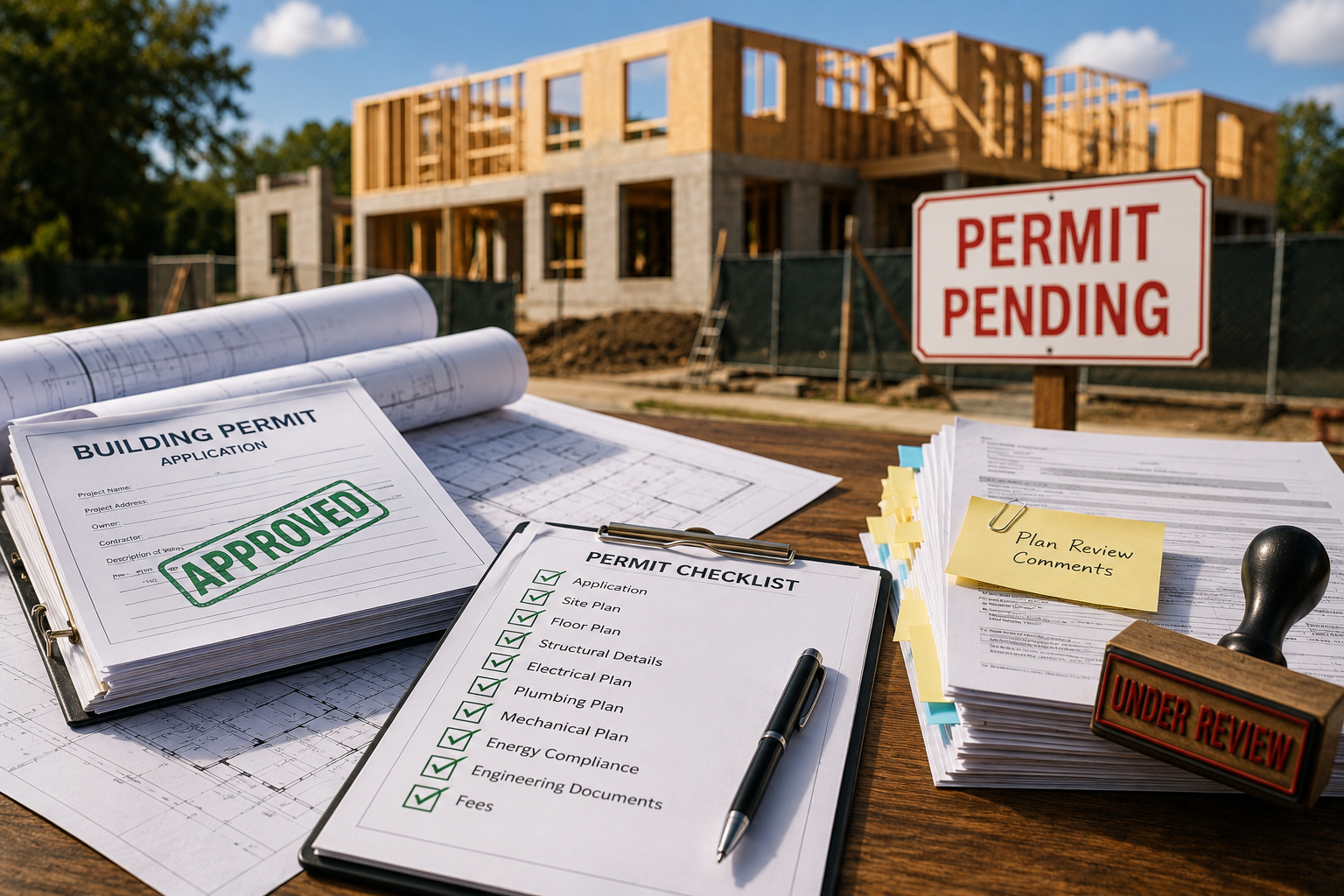
First, always ensure your submittal package is 100% complete. Most delays happen because a single document was missing or a specific detail on a site plan was unclear. Double-checking your architectural drawings, structural calculations, and energy compliance forms before submission can save weeks of back-and-forth. Many jurisdictions now offer Our Services online, where you can track the status of your application in real-time.
Second, develop a relationship with the building department staff. They are more likely to help you navigate tricky regulations if they know you are a professional who respects the process. Don't be afraid to schedule a pre-application meeting for complex projects. This allows you to address potential issues before the formal review begins, significantly reducing the likelihood of a "correction notice" that halts your progress.
- Use clear, high-resolution digital site plans for submissions.
- Verify all subcontractor licenses are current and on file.
- Include detailed notes on materials and construction methods.
- Respond to correction requests within 24 hours to keep momentum.
- Schedule pre-submittal meetings for complex or unique designs.
Essential Documentation for Successful Submissions
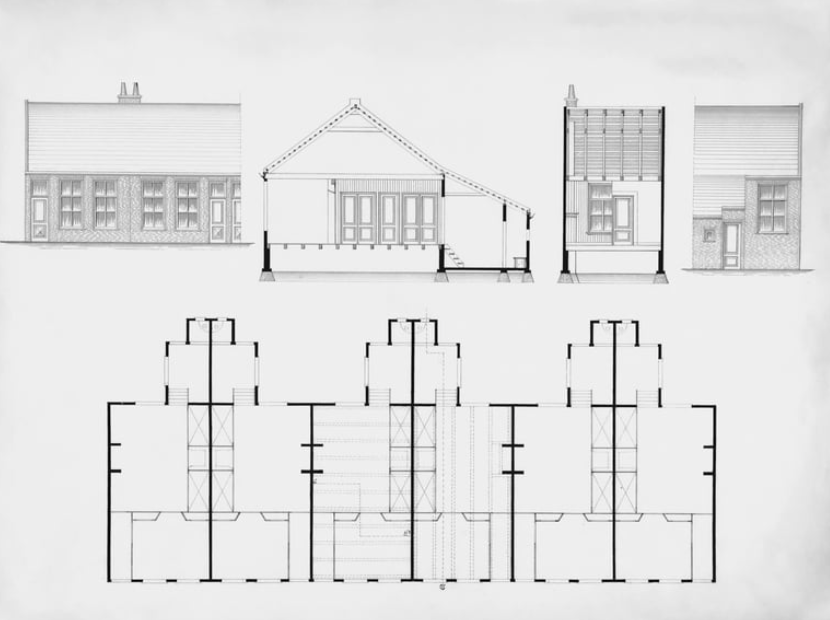
When you apply for a building permit, you are essentially providing a technical narrative of the project. This narrative needs to be so clear that a reviewer who has never seen the property can understand exactly what you intend to do. Documentation is the backbone of this process. For a standard Residential Permit Services application, you will typically need a site plan, floor plans, and elevation drawings.
For more specialized work, you might need structural engineering reports, especially if you are removing load-bearing walls or adding a second story. Don't forget the trade-specific documents either. Electrical, plumbing, and mechanical plans often require their own sets of details. If you are working in an area with specific environmental concerns, such as flood zones or hillsides, you may also need geotechnical reports or drainage plans.
- Site plan showing property lines and setbacks.
- Structural drawings with load-bearing calculations.
- Plumbing and electrical riser diagrams for new builds.
- Energy efficiency compliance forms (like Title 24 or COMcheck).
- Proof of contractor insurance and state licensing.
Does Your Project Require a Residential Permit?
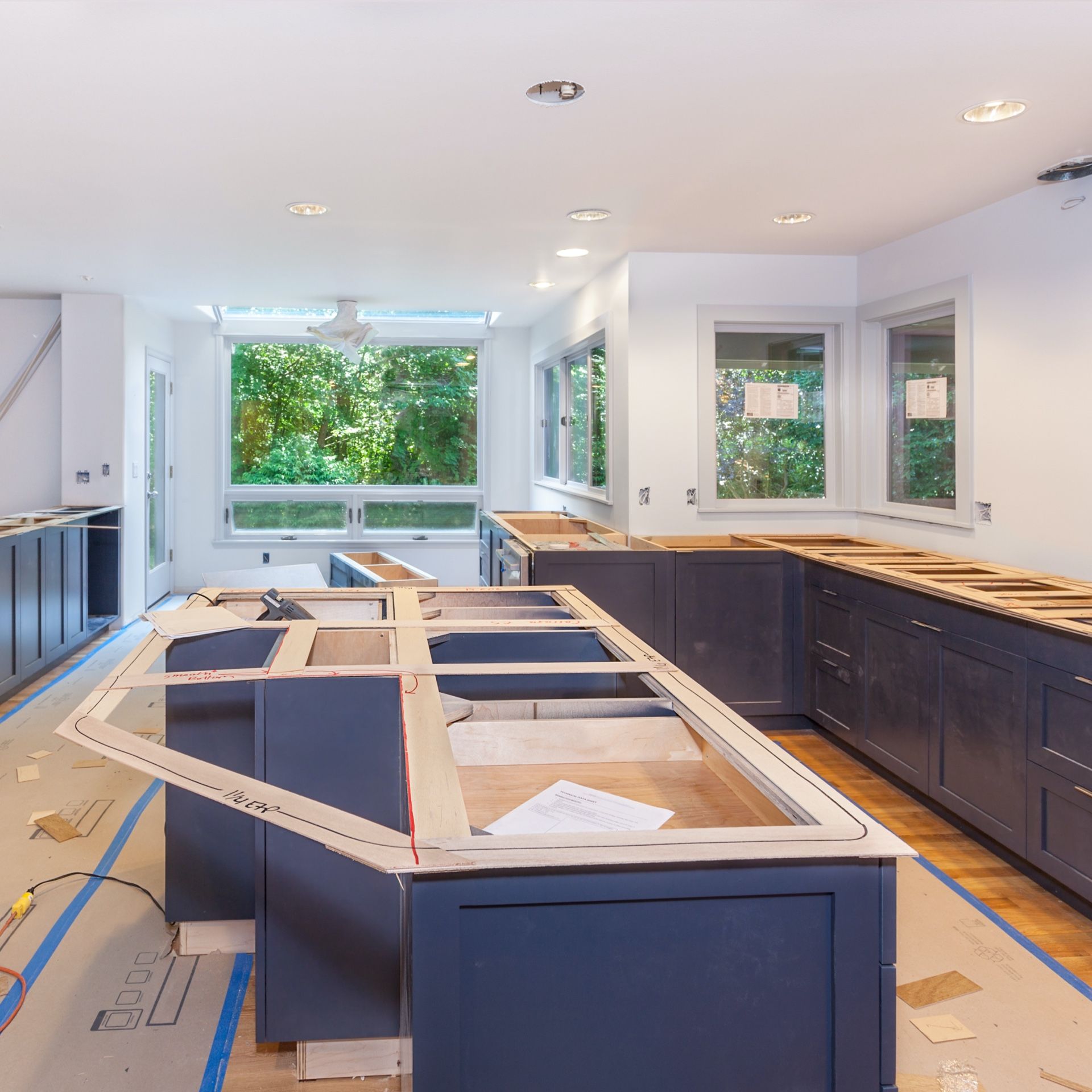
Determining when a building permit is required can sometimes be a gray area for homeowners, but as a contractor, you need to know the definitive answer. Generally, any project that involves structural changes, electrical wiring, plumbing, or mechanical systems will require a permit. This includes everything from a kitchen remodel to a full room addition.
Cosmetic changes like painting, flooring, or replacing kitchen cabinets usually don't require a permit, provided you aren't moving walls or changing the footprint of the home. However, even "simple" tasks like water heater replacements or new deck builds often require a permit in many cities. It is always safer to check with the building department rather than assuming you don't need one.
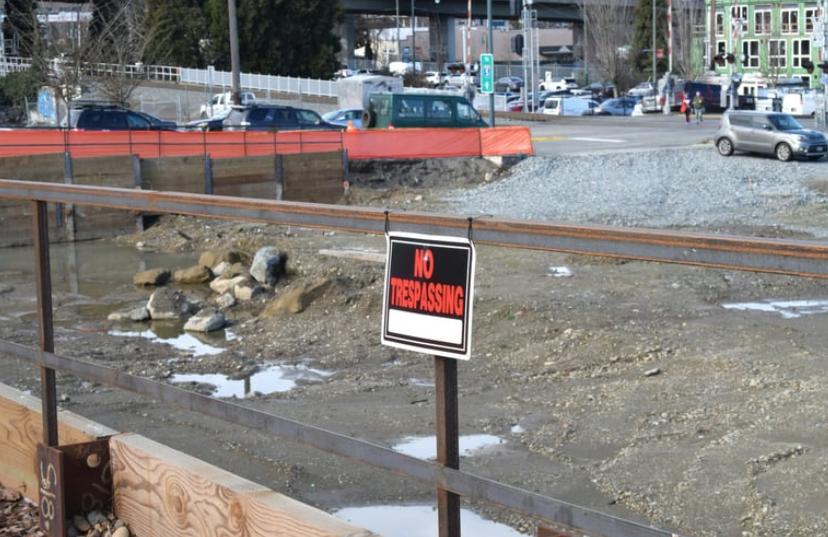
Working without a permit on a residential site is a major risk. If an inspector happens to drive by and sees a dumpster and a crew working without a posted permit, they can issue a "Stop Work Order." This not only stops your project but also adds significant costs in the form of penalty fees. If you're unsure, our Residential Permit Services can help you determine exactly what is needed for your specific zip code.
- Permits are required for all structural alterations.
- New plumbing fixtures or relocated drains need approval.
- Electrical panel upgrades always require a permit.
- Building a deck over a certain height or size.
- Adding or replacing windows and exterior doors.
Navigating Commercial and Industrial Regulations
The complexity of a permit application scales significantly when moving from residential to COMMERCIAL or INDUSTRIAL projects. These types of buildings are subject to much stricter fire safety, accessibility (ADA), and zoning laws. For instance, a commercial building permit often requires a comprehensive fire sprinkler plan and an accessibility review to ensure the building is usable for people with disabilities.
If you are a contractor specializing in Commercial Permit Services , you know that the review process can take months instead of weeks. You will likely be dealing with multiple departments, including the fire marshal, the health department (for restaurants), and the public works department for things like grease traps or sewer connections.
Industrial projects are even more specialized. These often involve environmental impact studies, hazardous material handling plans, and high-load structural requirements for heavy machinery. For these projects, our Industrial Permit Services are invaluable for navigating the web of state and federal regulations that often overlay local building codes.
Managing Inspections and Closing the Permit
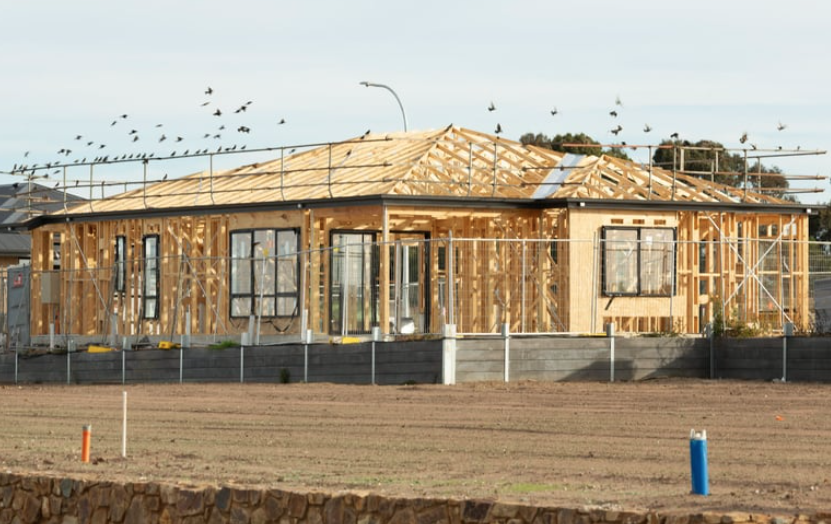
Getting the permit in hand is just the beginning. The real work of compliance happens during the construction phase. You must schedule inspections at key milestones: foundation, framing, rough-in (plumbing/electrical), and finally, the finished project. It is your responsibility as the contractor to ensure that the work remains consistent with the approved plans.
If you make a change on-site that wasn't in the original plans, you must submit a "revision" to the building department before the inspection. Showing up to an inspection with work that doesn't match the drawings is a surefire way to get a failed inspection and a delay. Always be present for the inspection or have a knowledgeable lead on-site to answer the inspector's questions.
Once the final inspection is passed, the permit must be "closed out." This often involves receiving a Certificate of Occupancy (CO) or a Certificate of Completion. This document is the final proof that the building is safe to inhabit or use. Without this, the permit remains "open" in the city's system, which can cause massive headaches for the property owner years down the line when they try to sell the building.
- Schedule inspections 48 hours in advance whenever possible.
- Keep a copy of the approved plans and permit on-site.
- Walk the site before the inspector arrives to catch minor issues.
- Be prepared to provide ladder access for roof or attic checks.
- Ensure all trade finals are signed off before the building final.
Conclusion: Making Permits Simple for Your Business
Navigating the building permit process is a fundamental skill for any successful contractor. While it can feel like a bureaucratic hurdle, it is ultimately a protective measure for you, your business, and your clients. By approaching the process with preparation, clear documentation, and a collaborative spirit with local officials, you can minimize delays and keep your projects on track.
If the world of codes and regulations feels overwhelming, you don't have to handle it alone. Whether you need help with Residential Permit Services , Commercial Permit Services , or Industrial Permit Services , our team is here to guide you. We understand the local landscape and can help you get from planning to ribbon-cutting faster and with fewer headaches.
- Prioritize complete documentation for every submission.
- Engage with building departments early in the design phase.
- Always close out your permits to protect the client's investment.
- Stay updated on annual changes to local and state building codes.
Recent Posts