




What Are ARA Permits & Why Are They Needed in Construction?

September 10, 2025

Share this article

So, you're ready to build something.

Maybe it’s a small upgrade, maybe it’s a full-blown development.

Either way, there's a good chance you’ll run into three letters that can either slow you down or set you up right:ARA.

ARA permits tend to sound like paperwork purgatory. And sure, they can be a headache if you don’t know what you're dealing with.

But once you get what they’re really for—and why they matter—they start to feel less like a roadblock and more like a blueprint for doing things right.

Stick around, because figuring them out now might just save you a world of trouble later.


A

The Significance of ARA Permits in Construction

In construction, rules aren’t just red tape—they’re there for a reason. ARA permits (short for Architectural Review and Approval) are one of those non-negotiable steps you’ll run into when building or renovating in certain areas.

Essentially, these permits are about making sure your project lines up with local building codes, safety standards, and design regulations.

They're not just a formality—they're a way to keep buildings safe, functional, and consistent with the community’s long-term vision.

Skipping over ARA permits might seem like a shortcut, but it’s a risky one. Without this oversight, projects can veer into dangerous territory—think poor structural design, fire hazards, or environmental missteps.

And fixing those issues after the fact? That’s when things get expensive. Whether it’s a backyard addition or a multi-unit complex, getting ARA approval upfront helps spot problems before they become full-blown setbacks.

There’s also a legal side to it. Building without the right permits doesn’t just get you in hot water—it can shut your project down entirely. Fines, stop-work orders, forced demolitions... none of that’s fun.

ARA permits act like a legal safety net, protecting you from liability and showing that you’re playing by the rules. It's not only about compliance—it's about covering your bases and keeping things legit from day one.

For contractors and developers, ARA permits also send a message: that you take the craft seriously. It’s a mark of professionalism that clients, partners, and even inspectors notice.

The process may involve extra paperwork and a few more steps, but the long-term payoff—smoother inspections, fewer surprises, better-built projects—is well worth it.

On a practical level, these permits can also shape how your entire build plays out. They often direct the sequence of work, influence resource planning, and build accountability into every stage.

With regular inspections baked into the process, teams can spot issues early, keep timelines in check, and maintain quality from the ground up. That structure isn’t restrictive—it’s what keeps things running smoothly.

Bottom line? ARA permits aren’t just some bureaucratic box to tick. They’re a key part of smart, responsible construction—and skipping them is a gamble that rarely pays off.


How to Obtain ARA Permits Successfully

Getting an ARA permit doesn’t have to feel like wading through wet cement—if you know what to expect. The process varies slightly depending on where you’re building, but the general steps are pretty universal.

Start by checking in with your local building or zoning department. Every city or county has its own rules, and skipping this step is how people end up redoing paperwork—or worse, tearing down progress.

Ask for the most up-to-date application forms and a list of required documents specific to your project type.

Once you know what’s needed, it’s time to prep your materials.

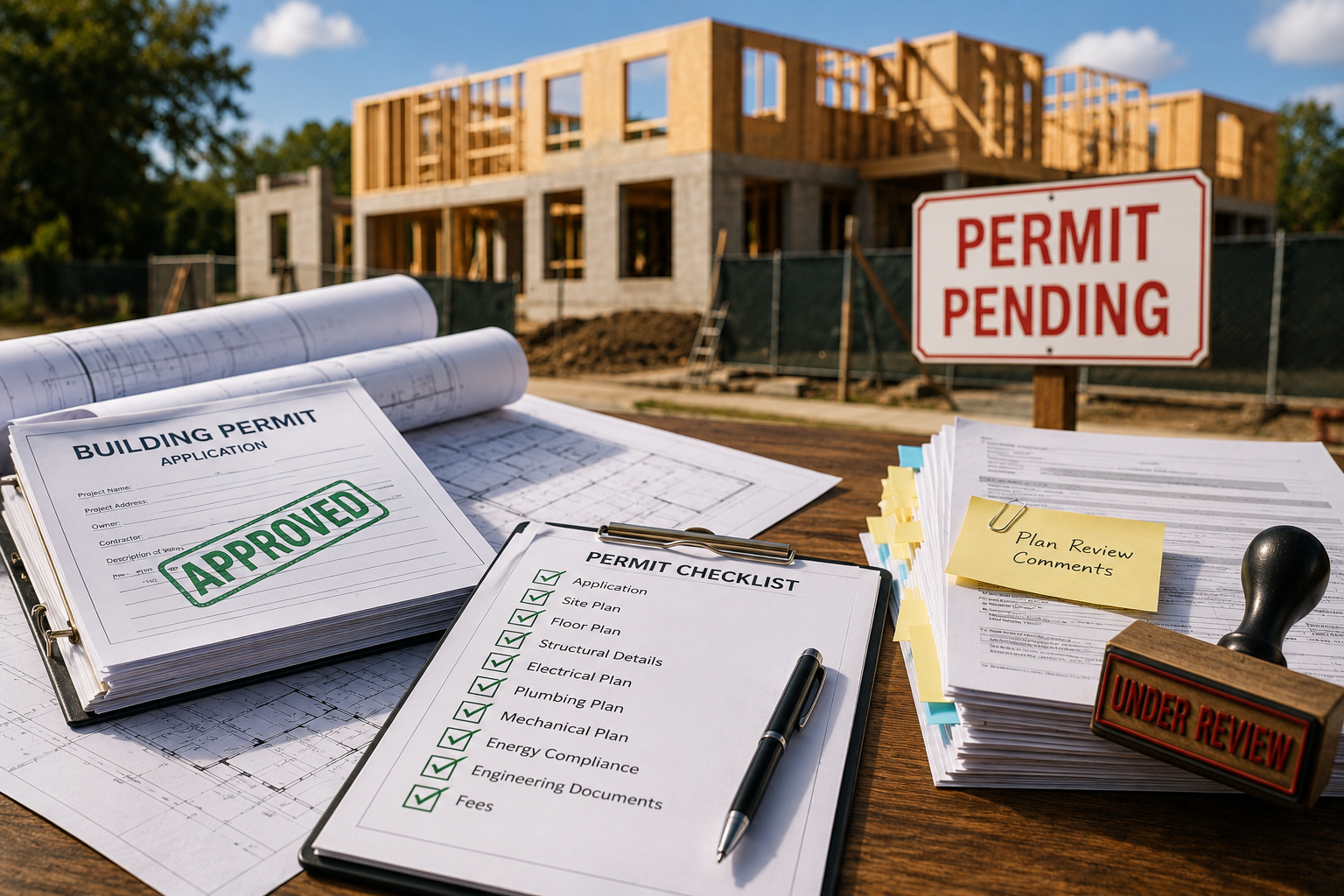
Typically, you’ll need:

  • A detailed site plan and architectural drawings
  • A copy of your property plat
  • Compliance reports showing how your project meets local codes, zoning laws, and environmental rules

Bringing in a licensed architect or engineer early on can save you a lot of back-and-forth.

They know how to structure your plans so they actually get approved—and they can catch issues you might miss. Think of this as your prep phase. Do it well, and the rest gets easier.

Now for the fun part: submitting your application. Double-check everything before you hand it over. Missing forms or vague details can stall your approval or kick your file to the bottom of the pile.

Once submitted, don’t just sit back. Stay in touch with the permitting office and follow up regularly. Silence doesn’t always mean progress.

Zoning issues are one of the biggest reasons permits get delayed. If your project doesn’t fit the current land-use rules, you might need a zoning variance.

Catching this early means you can factor it into your timeline instead of getting blindsided halfway through.

Here’s a tip that most people miss: schedule a pre-application meeting. It’s your chance to ask questions, clarify any gray areas, and avoid the most common rookie mistakes. Local officials actually appreciate when you come in prepared—it shows you're serious and saves them time, too.

Also, lean on professionals who know the local system. An architect with experience in your municipality can cut through red tape a lot faster than you flying solo.

Bottom line: getting an ARA permit is all about preparation, precision, and a bit of persistence. Treat it like part of your build, not a hurdle. It’s a process—but one you can absolutely manage with the right strategy.


Leveraging ARA Permit Consulting and Expediting Services

If dealing with ARA permits feels like a full-time job, that’s because—well—it kind of is. The paperwork, local rules, code requirements, and shifting deadlines can drain time and energy fast.

That’s where ARA permit consultants come in. These are the folks who live and breathe permit strategy. Their job is to make sure your application is complete, correct, and submitted in a way that keeps things moving instead of stalling out.

Consultants help bridge the gap between your project’s needs and the government’s expectations. They know how to interpret local building codes and translate them into a clean set of documents that won’t get flagged for missing information.

While you stay focused on the build itself, they keep the paperwork in check—and make sure it doesn’t come back to bite you later.

For complex or high-stakes builds, their input can mean the difference between smooth approvals and weeks of delays.

On a similar note, permit expediters are like consultants with a fast pass. They don’t just understand the process—they know the people inside it.

These professionals often have long-standing relationships with city staff and reviewers, which helps push applications through the queue faster.

If time is tight, or your project’s on a strict schedule, working with an expediter can help you stay ahead of slowdowns.

Expediters also catch common issues before they get flagged, which keeps your approval timeline intact. They’ll make sure the application is polished, the forms are current, and your submission gets where it needs to go—on time, every time.

That level of coordination can help prevent the dreaded stop-work orders that derail both budgets and momentum.

For larger projects, these services often prove necessary. Developers targeting energy-efficient builds or sustainable certifications, for example, frequently lean on consultants to deal with environmental approvals.

The right team can help you hit compliance targets without drowning in red tape.

And here's the best part: many consultants offer free initial consultations. You can walk in with your plans, ask questions, and see if their services are a good match—no commitment required.

Even that first conversation can clear up confusion and give you a better grip on what to expect.

In short, permit pros don’t just push paperwork. They help you stay organized, compliant, and ahead of the clock—so you can focus on building, not battling bureaucracy.


Get A Clear Path To Permit Approval With AA Permit Solutions

Permits don’t have to slow you down. If you’re planning a renovation, expansion, or ground-up development, having a clear permitting strategy is one of the smartest moves you can make.

It’s not just about compliance—it’s about keeping your project on schedule, avoiding costly delays, and protecting your investment from day one.

At AA Permit Solutions, we help you cut through the clutter. From application prep to document tracking, we handle the details that can make or break a timeline.

Our services cover everything from Permit Preparation and Submittal to Specialized Plans and Compliance Reports, all tailored to your project’s scope and jurisdiction.

With the right team in your corner, you can move forward with confidence—not guesswork.

Need help? Our Permit Management and Coordination service keeps communication flowing between you, your contractors, and local authorities.

We know how to stay ahead of procedural changes and unexpected snags, so you don’t have to scramble when things get complicated.

Let’s make the permit process the easiest part of your build. Schedule your free consultation now and get expert insight into your project’s specific needs.

Prefer to talk it through? Give us a call at 713-428-2321. No matter if you have a single question or a full project in motion, we’re here to help you—from paperwork to project closeout—with clarity, precision, and zero guesswork.

Let’s get your approvals in place so you can focus on building what matters.


Recent Posts

A building permit application sitting on architectural plans with professional tools.
April 3, 2026
Master the building permit process with our expert guide for contractors. Learn tips for residential, commercial, and industrial permit approvals to keep your projects on schedule and compliant.
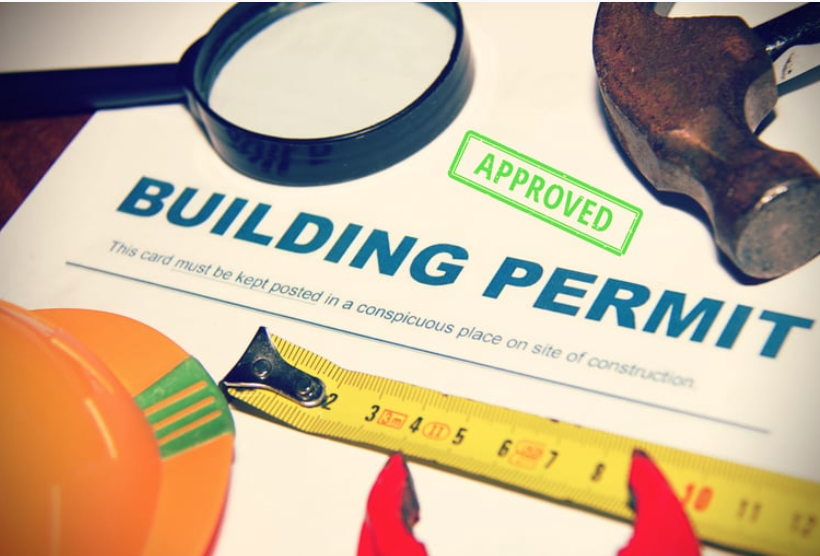
An approved building permit document surrounded by a magnifying glass, a hammer, a tape measure, and a construction hat.
February 9, 2026
Permits can feel like the quiet step in construction that somehow controls every loud step that follows. A great crew, solid materials, and a ready client won’t matter if the paperwork stalls the start date or a correction notice sends your plans back to the top of the pile. Building permit outsourcing gives contractors, developers, and property owners a practical way to reduce delays, tighten budgets, and keep projects moving with fewer surprises.
Blueprints for a house lying next to a building permit document.
January 13, 2026
Permits in Texas can feel simple until you run into a city comment, a missing plan sheet, or an inspection that can’t be scheduled because a prior step was skipped. The good news is that most permit problems come from a short list of issues: not knowing when a permit is required, not matching local rules, or submitting incomplete documents. If you get those parts right, the process becomes far more predictable, and your project can move forward with fewer delays.
Drafting tools, a pencil, and a blueprint tube arranged on a white floor plan of a building.
November 6, 2025
If you’ve ever wondered what keeps a building running smoothly without constant hiccups, here’s your answer: MEP plans . These blueprints are the behind-the-scenes backbone that keeps water flowing, air circulating, and lights working like they’re supposed to. Most people don’t think about them until something goes wrong, but by then, it’s too late. Still, that doesn’t mean you need to be an expert to care. Knowing what’s in those MEP documents gives you leverage . It’s how you stay one step ahead, catch problems early, and make smarter decisions before they get expensive. There's more to it than pipes and wires, and once you get a glimpse, you’ll see why these plans deserve a spot at the top of your priority list.
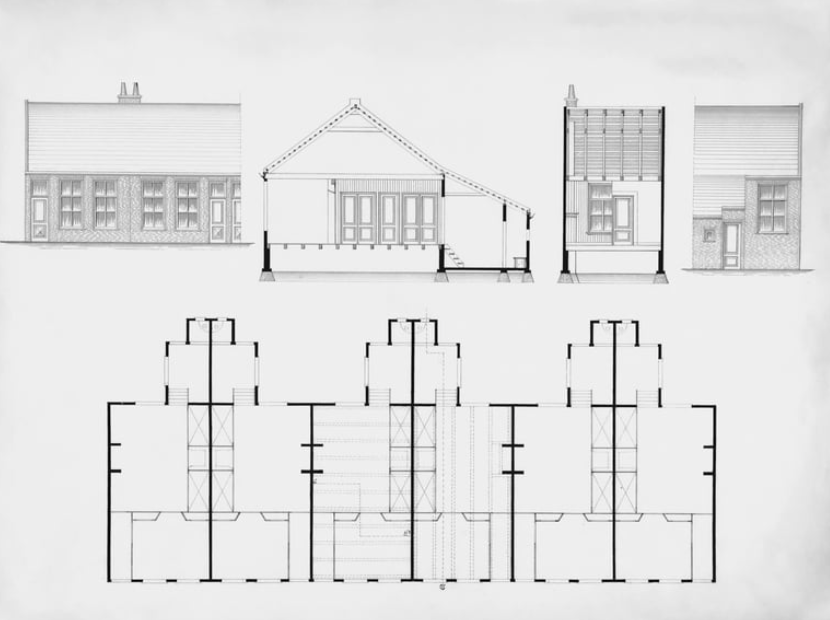
Architectural technical drawing showing elevations, sections, and floor plans for a three-unit residential structure.
October 2, 2025
There’s a lot that can go sideways on a construction site—but getting the drawings right isn’t something you want to gamble on. Long before the first shovel hits dirt, a project’s success quietly starts on paper. Not flashy, not loud, but absolutely necessary. Structural project drawings may not be the star of the show, but they’re the ones holding the whole thing together. These blueprints aren’t just boxes and lines—they're how big ideas become real-world builds. They help everyone on the job stay aligned without playing a game of construction telephone. When done right, they cut confusion, avoid surprises, and keep your project from turning into a money pit. So if you're leading a build, investing in one, or just trying not to mess it up, paying attention to those drawings early on is one smart move you won’t regret.
A house under construction with exposed wooden framing and roof trusses, set against a field with a flock of birds above.
July 15, 2025
Pulling off a construction project in Texas isn’t just about blueprints and big ideas—it’s about knowing how to get through the maze of rules before the first shovel hits the dirt. Permits don’t hand themselves out, and before you even get there, you’ll need to define what exactly you’re building, why it matters, and where all the puzzle pieces go. That’s where your project scope is needed. It’s not just red tape—it’s the glue holding your entire game plan together. A solid scope keeps things from going sideways. It gives your project a real shape before anything physical takes form. Local officials, architects, and contractors aren’t mind readers—your scope tells them what’s what. Skip it, and you're setting yourself up for delays, missteps, and probably a few headaches. Get it right, and you're already halfway to your permit approval.
An orange
June 13, 2025
You’ve got the lot, the ideas, maybe even a Pinterest board bursting at the seams. Whether it's a dream home or just adding a deck that doesn’t scream "1994," you're ready to get moving. But before anything gets hammered or hauled, there’s a behind-the-scenes player you can’t ignore: building permits. They’re not glamorous, and no one frames them on the wall, but try skipping them and you’ll be so far behind in fines, delays, or worse—your neighbor’s angry stare. The process might sound a bit complicated at first, but it’s really just a necessary rite of passage for anyone serious about doing things right. Permits are how your wild ideas meet real-world rules—and those rules aren’t just there to kill the vibe. They keep your build safe, legal, and something the city won’t try to shut down halfway through. If you're about to break ground or knock something down, stick around. We’re about to make permits make sense.
A floor plan sketch on paper with drafting tools, including a ruler and three pencils, on a green cutting mat.
May 14, 2025
You’ve got the blueprints, the dream, maybe even the Pinterest board—now comes the part no one gets excited about: permits. Before anything gets built, there's paperwork to battle. Don’t worry, though; this isn’t a legal thriller—it's just part of the process. Skip this step, and you risk more than delays; think surprise fees or sudden "stop work" signs placed on your project. Sounds dramatic? It really is. But here's the twist—submitting permits doesn’t have to feel like decoding ancient scrolls. It’s about knowing what’s needed, when it’s needed, and how not to tick off the folks reviewing your forms. The trick is laying down some groundwork early so you’re not scrambling later. Once you figure out how all the pieces fit—codes, reports, timelines, and the unspoken rules—you’ll be miles ahead of the average permit rookie. Stick around, and we’ll walk through how to get that green light without the headaches.
People working at desks with computers in a bright, modern office space.
By Business Consulting Group April 16, 2025
Permits might not be the hottest topic at your morning meeting, but ignoring them can seriously mess with your groove. Think of them as the backstage crew—quiet, invisible, but running the whole show. One slip-up and you’re not just missing cues—you’re off the stage entirely. The paperwork might look like a drag, but there’s a lot more at stake than staplers and stamps. Miss a deadline or overlook a form, and suddenly your smooth operation hits a wall. Nobody’s got time for surprise shutdowns or expensive delays when you’ve got bigger goals to chase. Let’s be real—keeping up with permit rules isn’t how you pictured spending your time. Handing it off to people who actually like dealing with that stuff? That’s not just smart—it’s survival. These pros know how to read the fine print, dodge headaches before they happen, and keep your business humming while you focus on what actually lights you up. It's not about losing control. It’s about building a system that works quietly in your corner, so you don’t have to. Call it your invisible armor—less stress, more focus, and fewer “what now?” moments. Stick around, because next up, we’re showing how this simple shift can save you from the mess no one sees coming. 
A wooden stamp rests on top of a printed architectural floor plan labeled
March 6, 2025
You're embarking on a construction journey, each phase intricately woven into the fabric of a larger vision. Knowing where to start and how to go through the miles of paperwork required is key to turning blueprints into reality. It can feel like a relentless quest through a maze, as regulations envelop your project, adding layers of complexity to even the most straightforward builds. Have you considered, though, the time saved and stress avoided when professionals lead your path? Their expertise transforms your approach into an art form—a symphony carefully orchestrated rather than a cacophony of last-minute dashes and hurried corrections. When deadlines approach at the speed of a freight train, having permit consultants as conductors helps steer the entire train precisely. Balancing the income of ideas and resources while ensuring structural integrity doesn’t teeter on bureaucratic delays calls for guidance rooted in local expertise. You stay in creative control, focusing on your primary tasks, as others expertly sift through the sands of regulatory compliance.  Isn’t it time to discover how experts transform the permit process into an exercise in peace of mind and efficiency?
Show More