




Do I Need a Permit? A Texas Homeowner's Guide to Pools, Additions, Patios, Garages & Remodels

May 1, 2026

Share this article

When planning a home improvement project, one of the most common questions homeowners ask is:

"Do I need a permit for this?"


The answer depends on the type of project, where you live, and the scope of work being performed. While permit requirements vary by municipality, many residential projects throughout Texas require permits to ensure compliance with local building codes, zoning regulations, and safety standards.


Understanding permit requirements before construction begins can help you avoid delays, unexpected costs, failed inspections, and potential legal issues.

Three people review house plans beside a luxury pool at sunset, with a title about needing a permit

Why Building Permits Matter?

Building permits help ensure that construction projects meet local code requirements designed to protect homeowners, occupants, neighboring properties, and the community.


Permits help verify that:

  • Construction meets current building codes
  • Structural modifications are properly reviewed
  • Electrical and plumbing systems are installed safely
  • Projects comply with zoning regulations
  • Work is inspected at critical stages


Failing to obtain required permits can result in fines, stop-work orders, difficulties selling a property, and costly corrections after construction has already started.


Do I Need a Permit for a Pool?

In most Texas municipalities, yes.

New swimming pools typically require permits because they involve:

  • Electrical systems
  • Plumbing systems
  • Safety barriers and fencing
  • Drainage considerations
  • Structural requirements

Additional permits may also be required for spas, hot tubs, outdoor kitchens, and related improvements.


Before beginning any pool project, homeowners should verify local permit requirements and inspection procedures.


Do I Need a Permit for a Home Addition?

Generally, yes.


Adding square footage to your home often requires permits because it affects:

  • Structural integrity
  • Foundation systems
  • Electrical systems
  • HVAC systems
  • Plumbing systems
  • Property setbacks


Examples include:

  • Room additions
  • Second-story additions
  • Expanded living areas
  • Sunrooms
  • Guest suites


Home additions typically require plan review and inspections before occupancy.


Do I Need a Permit for a Patio Cover?

Often, yes.

Permit requirements frequently apply when a patio cover:

  • Is attached to the home
  • Requires structural supports
  • Includes electrical systems
  • Includes plumbing features
  • Changes drainage patterns


Some municipalities may have specific design requirements regarding setbacks, height restrictions, and wind-load calculations.


Do I Need a Permit for a Garage Conversion?

In most cases, yes.


Converting a garage into living space usually involves:

  • Electrical modifications
  • HVAC installation
  • Insulation requirements
  • Fire safety requirements
  • Building code compliance


Because the use of the space is changing, municipalities often require permits and inspections before the project can be completed.


Do I Need a Permit for a Remodel?

The answer depends on the scope of work.


Projects That May Require Permits

  • Removing structural walls
  • Electrical upgrades
  • Plumbing modifications
  • Window replacements
  • Major kitchen remodels
  • Major bathroom remodels
  • Foundation repairs


Projects That Often Do Not Require Permits

  • Interior painting
  • Flooring replacement
  • Cabinet replacement
  • Cosmetic updates
  • Minor repairs


However, requirements vary by city, so it is always best to verify before beginning work.


What Happens If You Build Without a Permit?

Building without required permits can create significant challenges.


Potential consequences may include:

  • Stop-work orders
  • Municipal fines
  • Delayed project completion
  • Additional inspections
  • Required demolition of non-compliant work
  • Insurance complications
  • Challenges when selling the property


Addressing permit requirements before construction begins is usually far less costly than correcting issues later.


How Can Permit Expediting Help?

The permit process can be time-consuming and confusing, especially when multiple departments are involved.


Permit expediting services can help homeowners:

  • Identify required permits
  • Prepare documentation
  • Coordinate submissions
  • Track permit status
  • Respond to review comments
  • Reduce avoidable delays


Having experienced guidance can help projects move through the approval process more efficiently.


Planning a Residential Project in Texas?


Whether you're building a pool, adding square footage, constructing a patio cover, converting a garage, or planning a major renovation, understanding permit requirements is an important first step.


AA Permit Solutions assists homeowners, contractors, architects, and builders with residential permit coordination and expediting services throughout Texas.


If you're unsure whether your project requires a permit, contact our team to discuss your project and permitting requirements.


Need Help With Your Permit Project?

Contact AA Permit Solutions today to learn how we can help simplify the permitting process and keep your project moving forward.

Fast Permit Approvals in Texas

We handle permits, plans, and city coordination, so your project moves forward without delays.

Recent Posts

Infographic: Top 10 reasons building permits get delayed, with checklist and construction-themed icons.
June 1, 2026
Discover the 10 most common reasons building permits get delayed in Texas and learn how homeowners, contractors, and developers can avoid costly setbacks.
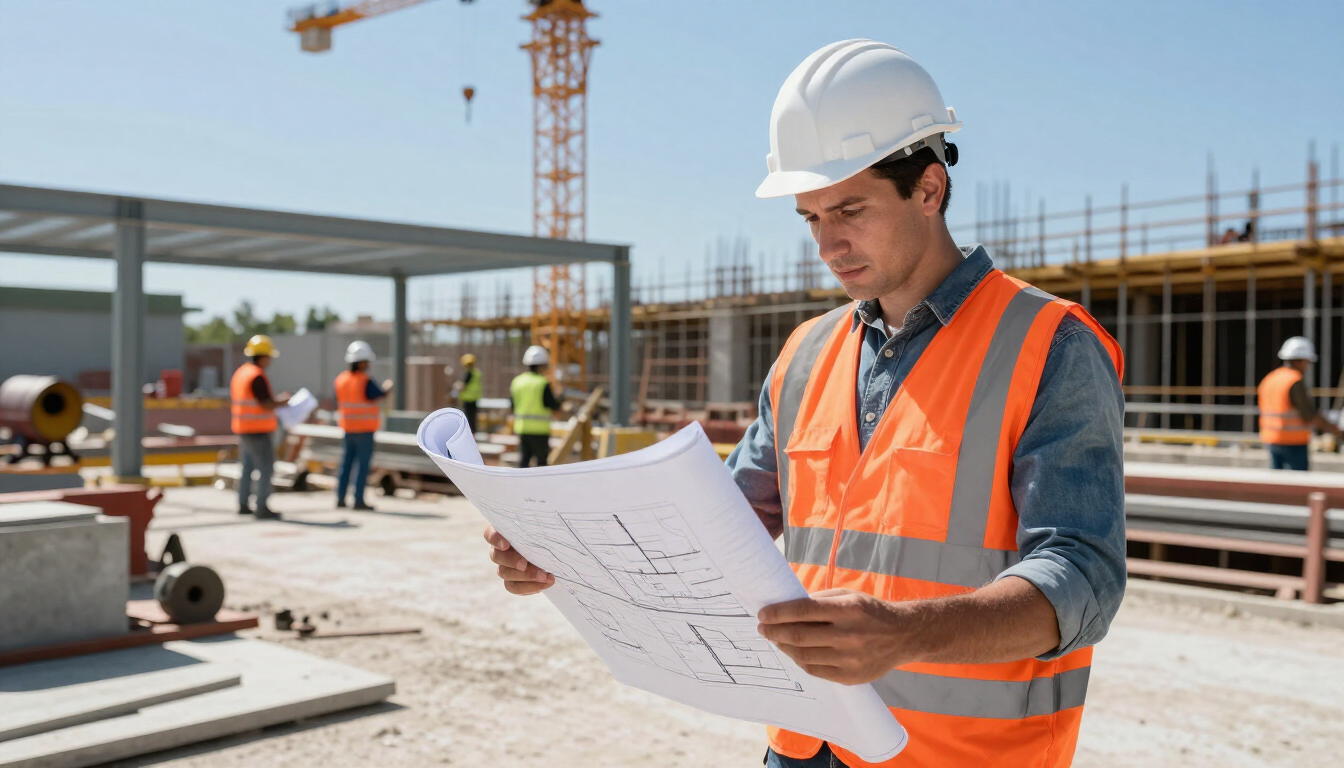
A building permit application sitting on architectural plans with professional tools.
April 3, 2026
Master the building permit process with our expert guide for contractors. Learn tips for residential, commercial, and industrial permit approvals to keep your projects on schedule and compliant.
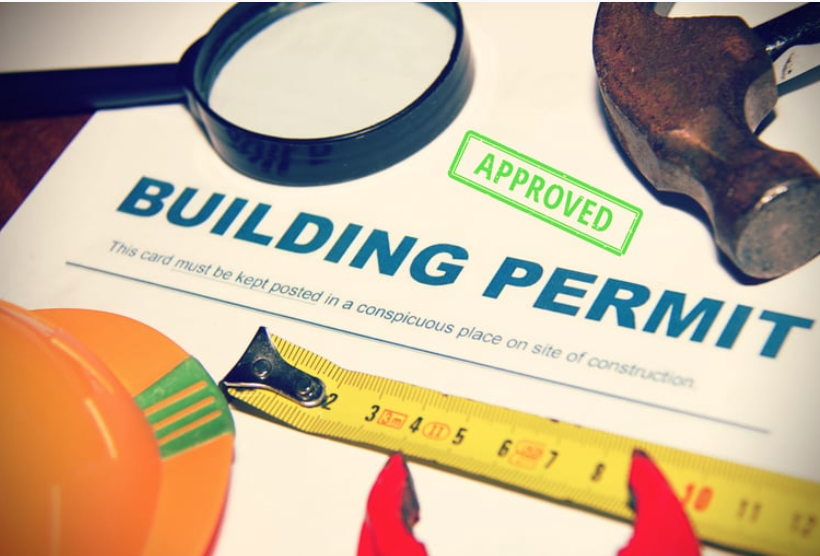
An approved building permit document surrounded by a magnifying glass, a hammer, a tape measure, and a construction hat.
February 9, 2026
Permits can feel like the quiet step in construction that somehow controls every loud step that follows. A great crew, solid materials, and a ready client won’t matter if the paperwork stalls the start date or a correction notice sends your plans back to the top of the pile. Building permit outsourcing gives contractors, developers, and property owners a practical way to reduce delays, tighten budgets, and keep projects moving with fewer surprises.
Blueprints for a house lying next to a building permit document.
January 13, 2026
Permits in Texas can feel simple until you run into a city comment, a missing plan sheet, or an inspection that can’t be scheduled because a prior step was skipped. The good news is that most permit problems come from a short list of issues: not knowing when a permit is required, not matching local rules, or submitting incomplete documents. If you get those parts right, the process becomes far more predictable, and your project can move forward with fewer delays.
Drafting tools, a pencil, and a blueprint tube arranged on a white floor plan of a building.
November 6, 2025
If you’ve ever wondered what keeps a building running smoothly without constant hiccups, here’s your answer: MEP plans . These blueprints are the behind-the-scenes backbone that keeps water flowing, air circulating, and lights working like they’re supposed to. Most people don’t think about them until something goes wrong, but by then, it’s too late. Still, that doesn’t mean you need to be an expert to care. Knowing what’s in those MEP documents gives you leverage . It’s how you stay one step ahead, catch problems early, and make smarter decisions before they get expensive. There's more to it than pipes and wires, and once you get a glimpse, you’ll see why these plans deserve a spot at the top of your priority list.
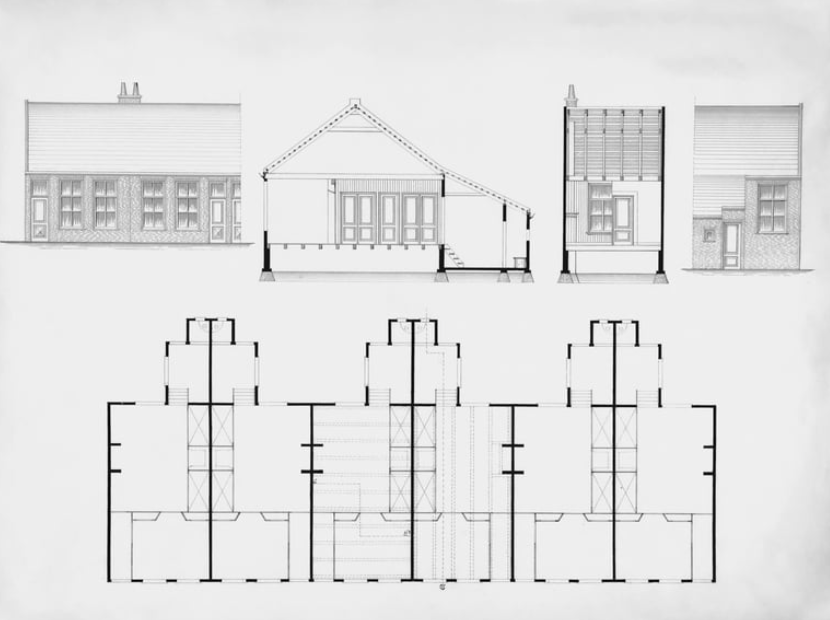
Architectural technical drawing showing elevations, sections, and floor plans for a three-unit residential structure.
October 2, 2025
There’s a lot that can go sideways on a construction site—but getting the drawings right isn’t something you want to gamble on. Long before the first shovel hits dirt, a project’s success quietly starts on paper. Not flashy, not loud, but absolutely necessary. Structural project drawings may not be the star of the show, but they’re the ones holding the whole thing together. These blueprints aren’t just boxes and lines—they're how big ideas become real-world builds. They help everyone on the job stay aligned without playing a game of construction telephone. When done right, they cut confusion, avoid surprises, and keep your project from turning into a money pit. So if you're leading a build, investing in one, or just trying not to mess it up, paying attention to those drawings early on is one smart move you won’t regret.
A
September 10, 2025
So, you're ready to build something. Maybe it’s a small upgrade, maybe it’s a full-blown development. Either way, there's a good chance you’ll run into three letters that can either slow you down or set you up right:ARA. ARA permits tend to sound like paperwork purgatory. And sure, they can be a headache if you don’t know what you're dealing with. But once you get what they’re really for—and why they matter—they start to feel less like a roadblock and more like a blueprint for doing things right. Stick around, because figuring them out now might just save you a world of trouble later.
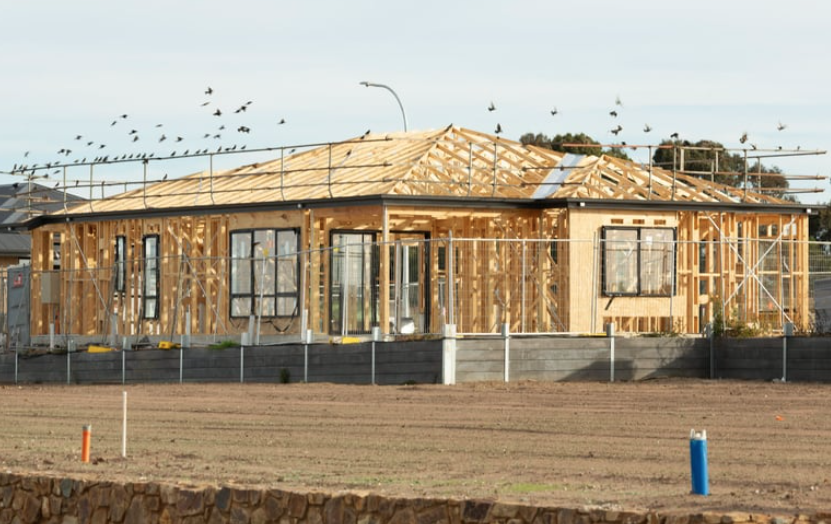
A house under construction with exposed wooden framing and roof trusses, set against a field with a flock of birds above.
July 15, 2025
Pulling off a construction project in Texas isn’t just about blueprints and big ideas—it’s about knowing how to get through the maze of rules before the first shovel hits the dirt. Permits don’t hand themselves out, and before you even get there, you’ll need to define what exactly you’re building, why it matters, and where all the puzzle pieces go. That’s where your project scope is needed. It’s not just red tape—it’s the glue holding your entire game plan together. A solid scope keeps things from going sideways. It gives your project a real shape before anything physical takes form. Local officials, architects, and contractors aren’t mind readers—your scope tells them what’s what. Skip it, and you're setting yourself up for delays, missteps, and probably a few headaches. Get it right, and you're already halfway to your permit approval.
An orange
June 13, 2025
You’ve got the lot, the ideas, maybe even a Pinterest board bursting at the seams. Whether it's a dream home or just adding a deck that doesn’t scream "1994," you're ready to get moving. But before anything gets hammered or hauled, there’s a behind-the-scenes player you can’t ignore: building permits. They’re not glamorous, and no one frames them on the wall, but try skipping them and you’ll be so far behind in fines, delays, or worse—your neighbor’s angry stare. The process might sound a bit complicated at first, but it’s really just a necessary rite of passage for anyone serious about doing things right. Permits are how your wild ideas meet real-world rules—and those rules aren’t just there to kill the vibe. They keep your build safe, legal, and something the city won’t try to shut down halfway through. If you're about to break ground or knock something down, stick around. We’re about to make permits make sense.
A floor plan sketch on paper with drafting tools, including a ruler and three pencils, on a green cutting mat.
May 14, 2025
You’ve got the blueprints, the dream, maybe even the Pinterest board—now comes the part no one gets excited about: permits. Before anything gets built, there's paperwork to battle. Don’t worry, though; this isn’t a legal thriller—it's just part of the process. Skip this step, and you risk more than delays; think surprise fees or sudden "stop work" signs placed on your project. Sounds dramatic? It really is. But here's the twist—submitting permits doesn’t have to feel like decoding ancient scrolls. It’s about knowing what’s needed, when it’s needed, and how not to tick off the folks reviewing your forms. The trick is laying down some groundwork early so you’re not scrambling later. Once you figure out how all the pieces fit—codes, reports, timelines, and the unspoken rules—you’ll be miles ahead of the average permit rookie. Stick around, and we’ll walk through how to get that green light without the headaches.