



Building Permits: Key Steps and Documents You Can't Forget

June 13, 2025

Share this article

You’ve got the lot, the ideas, maybe even a Pinterest board bursting at the seams.

Whether it's a dream home or just adding a deck that doesn’t scream "1994," you're ready to get moving.

But before anything gets hammered or hauled, there’s a behind-the-scenes player you can’t ignore: building permits.

They’re not glamorous, and no one frames them on the wall, but try skipping them and you’ll be so far behind in fines, delays, or worse—your neighbor’s angry stare.

The process might sound a bit complicated at first, but it’s really just a necessary rite of passage for anyone serious about doing things right.

Permits are how your wild ideas meet real-world rules—and those rules aren’t just there to kill the vibe. They keep your build safe, legal, and something the city won’t try to shut down halfway through.

If you're about to break ground or knock something down, stick around. We’re about to make permits make sense.


An orange construction sign reading

Becoming Familiar with The Building Permit Process

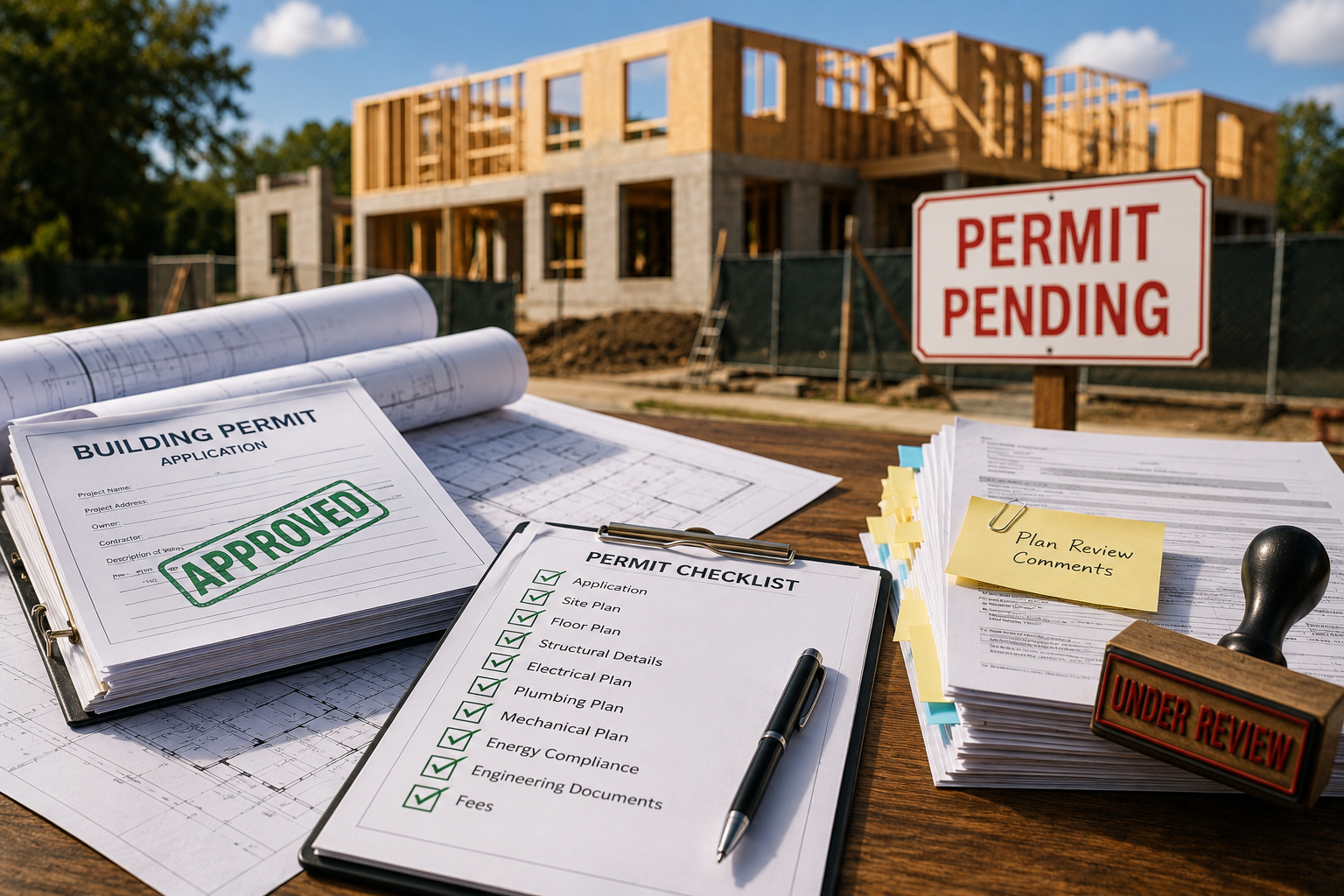
Before you swing a hammer or order that dreamy skylight, you’ve got to tango with the building permit process. Sounds thrilling, right? Maybe not—but skipping it is like trying to board a plane without a ticket.

The first move? Figure out what kind of permit your project actually needs. New build? Renovation? Backyard makeover with a fence tall enough to block out nosy neighbors? Each one comes with its own checklist.

Most local permitting offices require you to submit an official application—think of it as your project’s resume. You’ll need solid building plans, maybe a site survey, and possibly some extra reports depending on what and where you’re building.

And before you even hit "submit," take a moment to comb through your local zoning rules. That’s your pre-game. Nothing derails a build faster than finding out your dream garage is two feet too wide for the lot.

A little homework now can save a lot of headaches later.

Once your plans line up with the zoning codes, it’s time to gather and polish your paperwork. Precision matters here—unclear or incomplete submissions are a fast track to delays.

Think: clear site plans, accurate measurements, and reports that cover anything your local board might raise an eyebrow at (traffic, drainage, soil... you name it).

Many cities now let you upload everything online, which helps keep things neat and trackable. Still, don’t get too comfy—there might be some back-and-forth if the reviewers need revisions.

The review process isn’t just red tape for fun. Every step checks that your project doesn’t clash with safety laws or local rules. Yes, it’s a process, but it’s not out to get you.

Consulting someone who knows their way around codes and permits (like us) can help you make sense of the sticky zoning questions and dodge common mistakes. That way, you’re not just compliant—you’re confident.

Remember: every building permit is a green light that your idea meets the city's standards. That’s not just paperwork; it’s peace of mind.

So take the time, get it right, and set your project up for a smooth start—because nothing says “professional” like a fully approved plan and zero nasty surprises.


Essential Documents for Construction Permits

Let’s get one thing straight—whenever it comes to construction permits in Texas, flying by the seat of your pants isn’t going to cut it.

City officials don’t hand out permits like coupons at a hardware store. They want proof you’ve done your homework, and that starts with paperwork that doesn’t just look impressive but actually checks all the right boxes.

Architectural plans are your project’s detailed storyline—the who, what, where, and how of what’s getting built. They’re not just some pretty drawings; they lay out floor layouts, elevations, and construction details with enough precision to satisfy both building inspectors and structural engineers.

A good plan doesn’t just keep you compliant—it helps you budget smartly, avoid ugly surprises, and actually get the thing built without a legal circus.

But architectural plans are only part of the show. Your site plan steps in with the big-picture view—literally. It shows how your shiny new build fits into the surrounding space, from where it sits on the property to how far it is from the fence line.

It’s the document zoning reviewers care about most when deciding whether your plans play nice with the neighborhood.

Here are four documents you’ll almost always need when applying for a construction permit in Texas:

  • Architectural plans
  • Site plan
  • Zoning compliance verification
  • Energy code compliance report

See? Nothing too fancy—but miss even one, and your application might hit the brakes before it ever leaves the station.

Zoning compliance verification might sound like bureaucratic filler, but it’s actually a power move.

It proves your build won’t step outside the lines—whether that’s breaking height limits, encroaching on easements, or annoying every HOA board member within five miles.

And don’t sleep on the energy code report. Texas likes its buildings efficient, and this report shows you’re not just slapping together walls without thinking about insulation, ventilation, or sustainability rules.

The truth is, every document you submit helps tell a story: that your project is smart, safe, legal, and well-planned. Forget one, and the city might just tell you to rewrite the whole script. Stack your paperwork right the first time, and you’ll be setting yourself up for a faster green light—and fewer headaches down the line.


How To Make Sure You Get All The Safety Approvals and Inspections

Getting a building permit isn’t just about that initial green light—it’s a full-on relay race, and safety approvals and inspections are the baton passes you can’t drop.

Submitting your application might feel like a milestone, but the real work begins after you hit “send.”

That’s when multiple departments—fire safety, plumbing, structural, and electrical—start picking your plans apart like they’re judging a science fair.

And if they find a gap? It’s back to the drawing board.

So how do you keep your project on track, pass inspections, and avoid the dreaded “Stop Work” notice taped to your fence? Here’s a simple 3-step playbook to keep approvals moving:

  • Step 1: Stay in the loop. Once your permit application is submitted, follow up. Don’t wait for a call—municipal departments are busy, and lost paperwork isn’t a myth.
  • Step 2: Keep inspectors informed. As your build hits key stages (foundation, framing, wiring, etc.), schedule inspections ahead of time. Waiting until the last minute is asking for delays.
  • Step 3: Document everything. Every email, every form, every sign-off—keep it organized. If something’s questioned later, you’ll have a paper trail ready.

Now, let’s talk inspections. These aren’t one-and-done. You’ll be seeing a lot of high-vis vests and clipboards throughout your project.

Each major stage needs a pass before you can move on. Skip a required inspection, and you could be looking at redoing work or halting progress altogether. Not ideal.

It helps to treat inspectors like part of your crew. They’re not out to ruin your timeline; they’re making sure your structure won’t collapse during a stiff breeze.

Know what each phase requires and have your site clean and documents ready. A well-prepared visit can make the difference between a quick thumbs-up and a two-week delay.

Then comes the grand finale: the Certificate of Occupancy. It’s the golden ticket that says, “Yep, this building is safe, legal, and ready for use.” The final inspection for this isn’t a time to wing it. Know the checklist, be present, and if something needs tweaking, handle it on the spot.

When you treat every approval like it matters—and spoiler alert, it does—you turn permit chaos into a smooth, manageable process.


Get Professional Help with Submission and Liaison from AA Permit Solutions

By now, it’s clear—the permit process isn’t just about checking boxes. It’s about staying two steps ahead, knowing what’s needed, and making sure every phase—from design to final inspection—plays by the rules.

When done right, permitting becomes less of a bureaucratic headache and more of a strategic advantage. Clarity, preparation, and a good grasp of local codes aren’t just nice to have—they’re the backbone of a smooth, timely build.

That’s where AA Permit Solutions comes in. Our team doesn’t just understand the process—we live it. We help streamline every phase with precision, from permit prep to final approval.

If you're tired of chasing paperwork or getting ghosted by the local building department, we step in with expert coordination and sharp follow-through.

Our Submission and Liaison service handles the heavy lifting: submitting complete, accurate application packets, tracking approvals, and managing communications with the authorities so you don’t have to.

Whether it’s chasing down plan reviews or fielding revisions, we keep things moving—and keep you in the loop.

If you're ready to offload the stress and move forward with confidence, give us a call at 713-428-2321. We’ll walk you through how our services can sharpen your timeline, reduce risk, and make sure that your project stays compliant from day one.

Let’s get your build on solid footing—with less guesswork, fewer setbacks, and a whole lot more certainty.


Recent Posts

A building permit application sitting on architectural plans with professional tools.
April 3, 2026
Master the building permit process with our expert guide for contractors. Learn tips for residential, commercial, and industrial permit approvals to keep your projects on schedule and compliant.
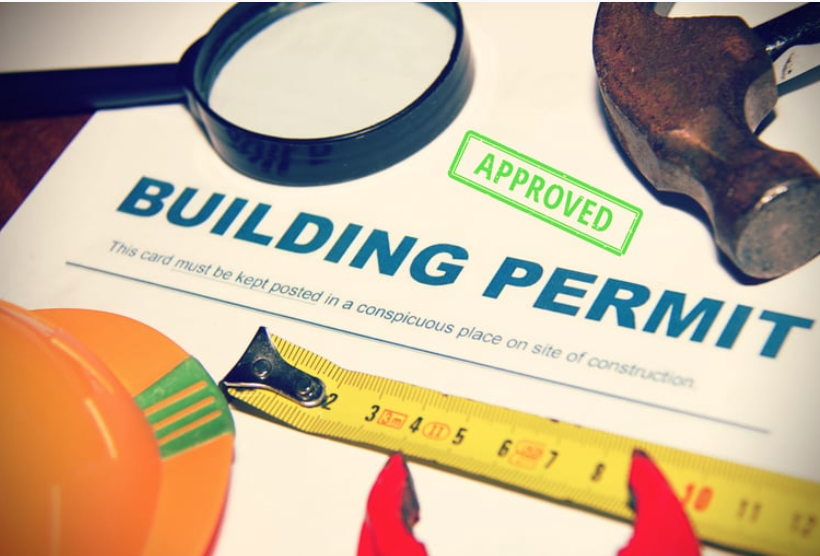
An approved building permit document surrounded by a magnifying glass, a hammer, a tape measure, and a construction hat.
February 9, 2026
Permits can feel like the quiet step in construction that somehow controls every loud step that follows. A great crew, solid materials, and a ready client won’t matter if the paperwork stalls the start date or a correction notice sends your plans back to the top of the pile. Building permit outsourcing gives contractors, developers, and property owners a practical way to reduce delays, tighten budgets, and keep projects moving with fewer surprises.
Blueprints for a house lying next to a building permit document.
January 13, 2026
Permits in Texas can feel simple until you run into a city comment, a missing plan sheet, or an inspection that can’t be scheduled because a prior step was skipped. The good news is that most permit problems come from a short list of issues: not knowing when a permit is required, not matching local rules, or submitting incomplete documents. If you get those parts right, the process becomes far more predictable, and your project can move forward with fewer delays.
Drafting tools, a pencil, and a blueprint tube arranged on a white floor plan of a building.
November 6, 2025
If you’ve ever wondered what keeps a building running smoothly without constant hiccups, here’s your answer: MEP plans . These blueprints are the behind-the-scenes backbone that keeps water flowing, air circulating, and lights working like they’re supposed to. Most people don’t think about them until something goes wrong, but by then, it’s too late. Still, that doesn’t mean you need to be an expert to care. Knowing what’s in those MEP documents gives you leverage . It’s how you stay one step ahead, catch problems early, and make smarter decisions before they get expensive. There's more to it than pipes and wires, and once you get a glimpse, you’ll see why these plans deserve a spot at the top of your priority list.
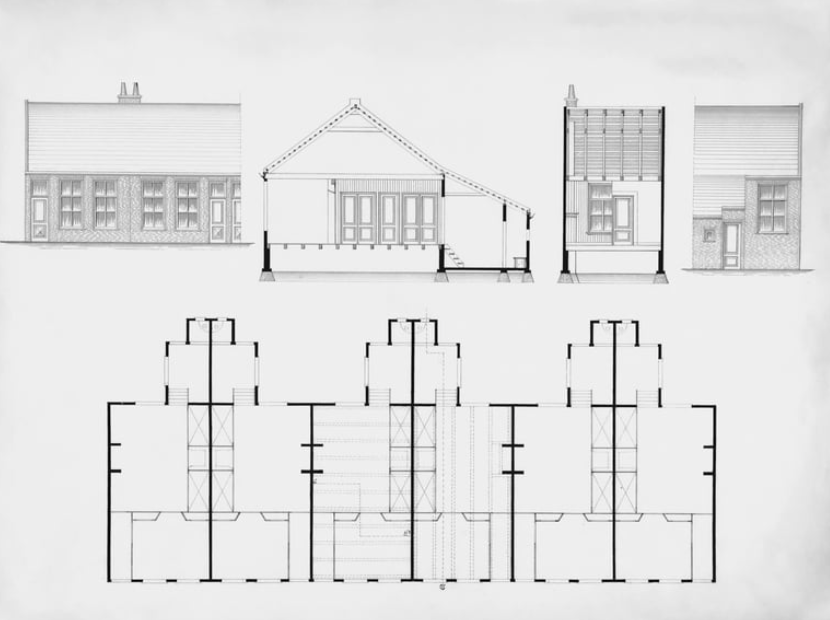
Architectural technical drawing showing elevations, sections, and floor plans for a three-unit residential structure.
October 2, 2025
There’s a lot that can go sideways on a construction site—but getting the drawings right isn’t something you want to gamble on. Long before the first shovel hits dirt, a project’s success quietly starts on paper. Not flashy, not loud, but absolutely necessary. Structural project drawings may not be the star of the show, but they’re the ones holding the whole thing together. These blueprints aren’t just boxes and lines—they're how big ideas become real-world builds. They help everyone on the job stay aligned without playing a game of construction telephone. When done right, they cut confusion, avoid surprises, and keep your project from turning into a money pit. So if you're leading a build, investing in one, or just trying not to mess it up, paying attention to those drawings early on is one smart move you won’t regret.
A
September 10, 2025
So, you're ready to build something. Maybe it’s a small upgrade, maybe it’s a full-blown development. Either way, there's a good chance you’ll run into three letters that can either slow you down or set you up right:ARA. ARA permits tend to sound like paperwork purgatory. And sure, they can be a headache if you don’t know what you're dealing with. But once you get what they’re really for—and why they matter—they start to feel less like a roadblock and more like a blueprint for doing things right. Stick around, because figuring them out now might just save you a world of trouble later.
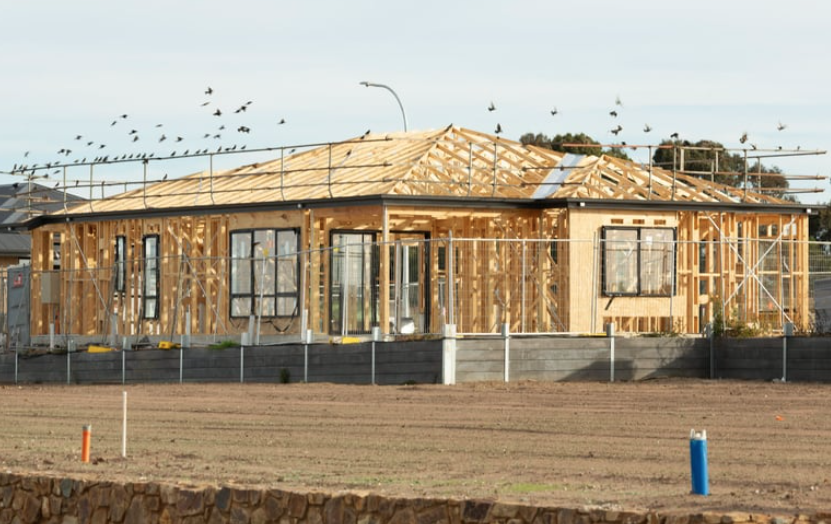
A house under construction with exposed wooden framing and roof trusses, set against a field with a flock of birds above.
July 15, 2025
Pulling off a construction project in Texas isn’t just about blueprints and big ideas—it’s about knowing how to get through the maze of rules before the first shovel hits the dirt. Permits don’t hand themselves out, and before you even get there, you’ll need to define what exactly you’re building, why it matters, and where all the puzzle pieces go. That’s where your project scope is needed. It’s not just red tape—it’s the glue holding your entire game plan together. A solid scope keeps things from going sideways. It gives your project a real shape before anything physical takes form. Local officials, architects, and contractors aren’t mind readers—your scope tells them what’s what. Skip it, and you're setting yourself up for delays, missteps, and probably a few headaches. Get it right, and you're already halfway to your permit approval.
A floor plan sketch on paper with drafting tools, including a ruler and three pencils, on a green cutting mat.
May 14, 2025
You’ve got the blueprints, the dream, maybe even the Pinterest board—now comes the part no one gets excited about: permits. Before anything gets built, there's paperwork to battle. Don’t worry, though; this isn’t a legal thriller—it's just part of the process. Skip this step, and you risk more than delays; think surprise fees or sudden "stop work" signs placed on your project. Sounds dramatic? It really is. But here's the twist—submitting permits doesn’t have to feel like decoding ancient scrolls. It’s about knowing what’s needed, when it’s needed, and how not to tick off the folks reviewing your forms. The trick is laying down some groundwork early so you’re not scrambling later. Once you figure out how all the pieces fit—codes, reports, timelines, and the unspoken rules—you’ll be miles ahead of the average permit rookie. Stick around, and we’ll walk through how to get that green light without the headaches.
People working at desks with computers in a bright, modern office space.
By Business Consulting Group April 16, 2025
Permits might not be the hottest topic at your morning meeting, but ignoring them can seriously mess with your groove. Think of them as the backstage crew—quiet, invisible, but running the whole show. One slip-up and you’re not just missing cues—you’re off the stage entirely. The paperwork might look like a drag, but there’s a lot more at stake than staplers and stamps. Miss a deadline or overlook a form, and suddenly your smooth operation hits a wall. Nobody’s got time for surprise shutdowns or expensive delays when you’ve got bigger goals to chase. Let’s be real—keeping up with permit rules isn’t how you pictured spending your time. Handing it off to people who actually like dealing with that stuff? That’s not just smart—it’s survival. These pros know how to read the fine print, dodge headaches before they happen, and keep your business humming while you focus on what actually lights you up. It's not about losing control. It’s about building a system that works quietly in your corner, so you don’t have to. Call it your invisible armor—less stress, more focus, and fewer “what now?” moments. Stick around, because next up, we’re showing how this simple shift can save you from the mess no one sees coming. 
A wooden stamp rests on top of a printed architectural floor plan labeled
March 6, 2025
You're embarking on a construction journey, each phase intricately woven into the fabric of a larger vision. Knowing where to start and how to go through the miles of paperwork required is key to turning blueprints into reality. It can feel like a relentless quest through a maze, as regulations envelop your project, adding layers of complexity to even the most straightforward builds. Have you considered, though, the time saved and stress avoided when professionals lead your path? Their expertise transforms your approach into an art form—a symphony carefully orchestrated rather than a cacophony of last-minute dashes and hurried corrections. When deadlines approach at the speed of a freight train, having permit consultants as conductors helps steer the entire train precisely. Balancing the income of ideas and resources while ensuring structural integrity doesn’t teeter on bureaucratic delays calls for guidance rooted in local expertise. You stay in creative control, focusing on your primary tasks, as others expertly sift through the sands of regulatory compliance.  Isn’t it time to discover how experts transform the permit process into an exercise in peace of mind and efficiency?
Show More