




Useful Tips For a Successful Construction Permit Submission

May 14, 2025

Share this article

You’ve got the blueprints, the dream, maybe even the Pinterest board—now comes the part no one gets excited about: permits.

Before anything gets built, there's paperwork to battle. Don’t worry, though; this isn’t a legal thriller—it's just part of the process.

Skip this step, and you risk more than delays; think surprise fees or sudden "stop work" signs placed on your project.

Sounds dramatic? It really is.

But here's the twist—submitting permits doesn’t have to feel like decoding ancient scrolls. It’s about knowing what’s needed, when it’s needed, and how not to tick off the folks reviewing your forms.

The trick is laying down some groundwork early so you’re not scrambling later. Once you figure out how all the pieces fit—codes, reports, timelines, and the unspoken rules—you’ll be miles ahead of the average permit rookie.

Stick around, and we’ll walk through how to get that green light without the headaches.


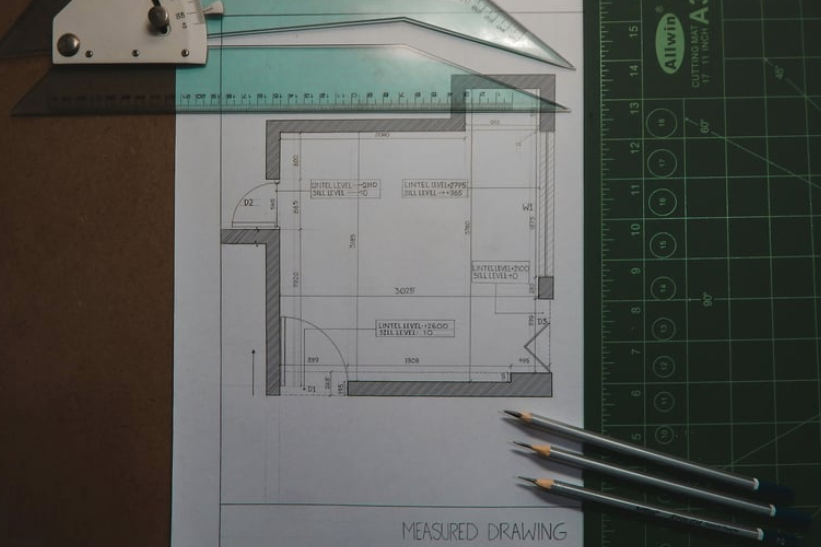
A floor plan on white paper with a drafting tool and three pencils on a green cutting mat.

Mastering Strategic Planning for Permit Submission

Think of strategic planning for your permit submission as setting the stage before the curtain rises.

Skip this part, and things can go off-script fast—delays, extra costs, and red tape waiting to trip you up. It all starts with getting brutally honest about your project’s size and scope.

What exactly are you building, renovating, or tearing down? Every piece matters. Overlook one tiny element, and your application might land in the dreaded “incomplete” pile.

Sure, listing out every permit-requiring detail might feel like busywork, but it's the difference between smooth sailing and project limbo. And once that scope is clear, it needs to play nicely with local zoning laws, building codes, and environmental rules. These aren’t just guidelines—they’re deal breakers.

This is why calling in a pro can save your sanity. They’ll know exactly which reports and plans will pass muster and which ones will make reviewers roll their eyes.

Now let’s talk timing. Spoiler alert: it always takes longer than you think. That’s why nailing down a realistic schedule isn’t just helpful—it’s survival.

Your timeline needs to cover the full journey, from design and documentation to the mysterious black hole of permit reviews. And don’t forget the back-and-forth with agencies.

A little buffer room here and there goes a long way when someone takes two weeks to reply to an email.

Want to level up? Sync your permitting schedule with your construction plan. That master view helps you spot bottlenecks early, especially when some approvals hinge on others being signed off first.

Knowing those dependencies ahead of time means fewer surprises (and fewer frantic phone calls down the line).

Last but definitely not least: talk to your people. Architects, contractors, consultants—loop them in early. These folks have likely seen it all, and their insights can highlight issues before they become full-blown problems.

If your project involves newfangled materials or unfamiliar tech, expect extra documentation hoops. Asking about those now is way better than scrambling at the eleventh hour.

Ultimately, smart planning doesn’t just help you get your permit—it tells everyone involved that you’ve got your act together. And trust us, that’s half the battle won before you even pick up a hammer.


Essential Steps for Effective Permit Applications

Submitting a permit application is like prepping for a surprise pop quiz—except the questions are in legalese and the teacher is the city. The goal isn’t just to hand over a stack of papers and hope for the best. It’s to show you know your stuff—and that your project plays by the rules.

Start by getting your documents in line. Plans, reports, and drawings—each one should be crisp, clear, and up to code. Whether it’s a stamped structural layout or an electrical diagram blessed by a licensed pro, you need to hit the technical marks and keep things organized. Review boards don’t love a game of digital hide-and-seek, so label files properly and follow any naming conventions. Yes, it’s boring. Yes, it matters.

Every city’s different, but most effective permit applications follow a few important moves:

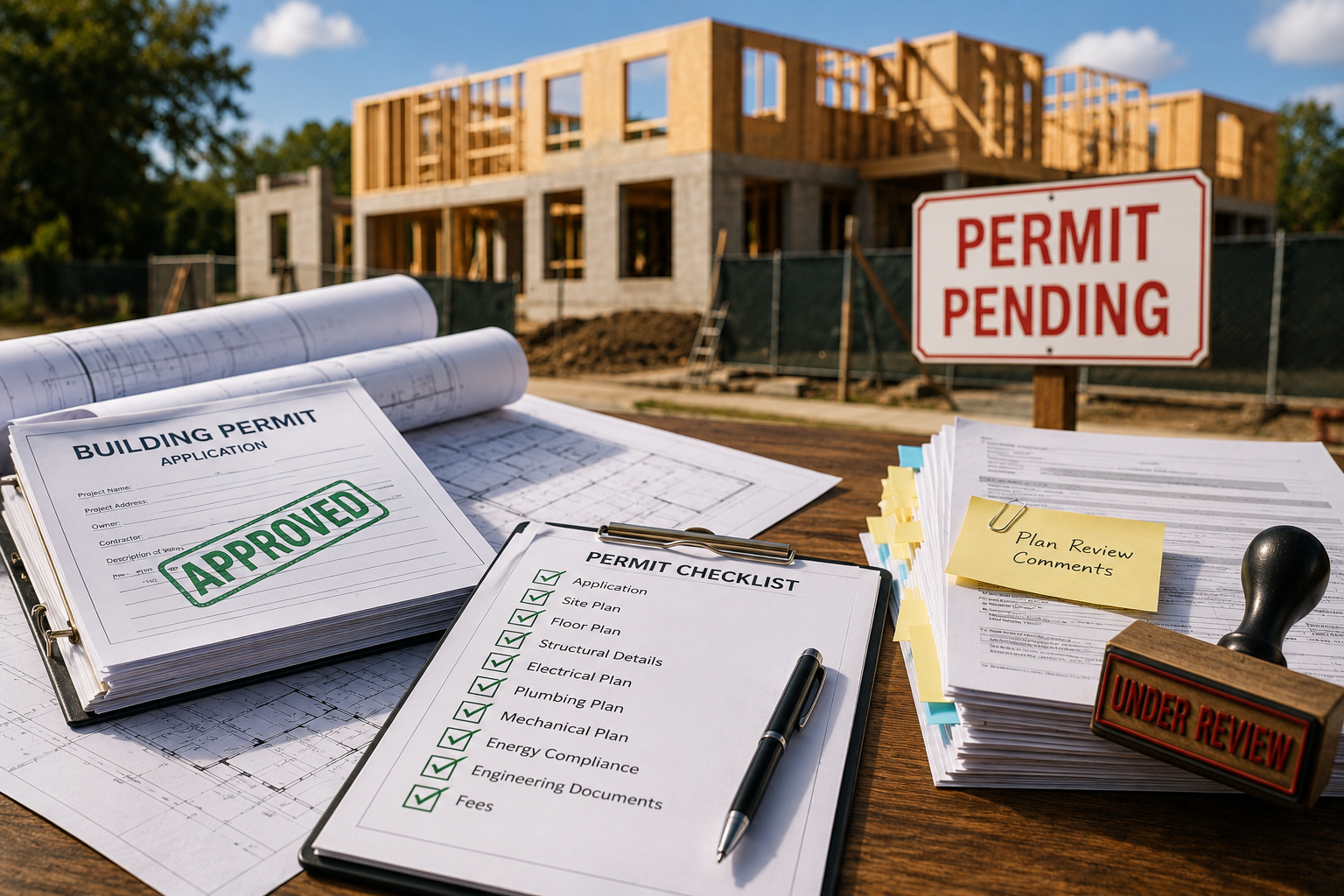
  • Gather all required documentation based on project type and location (site plans, drawings, certifications, impact studies, etc.)
  • Verify each document meets local code requirements, including professional stamps where needed
  • Research zoning regulations that apply to your site and confirm compliance or plan for variances
  • Conduct a final review with a fresh set of eyes to catch inconsistencies or missing pieces

While zoning might sound like background noise, it’s actually the script your project must follow. Zoning tells you what you can build, how high, how wide, and how close to the fence.

Skip this part, and you risk pouring your foundation on a future problem. Pull up your local zoning maps and don’t be afraid to call the municipal office—they’re used to translating the fine print.

And if you’re going for a variance? Start early, talk to your neighbors, and brace for more steps. Public hearings, community boards, and a side of politics can be part of the deal. That’s not a scare tactic—it’s just reality with a clipboard.

Once everything’s pulled together, pause before hitting “submit.” Do a top-to-bottom review.

Check your attachments. Are they complete? Is everything labeled right? If you’re too close to the project, bring in someone who’s not. They’ll see what you’ve missed—and maybe save your timeline.

A sharp, well-organized application doesn’t just speed things up. It tells reviewers: this applicant knows what they’re doing. And sometimes, that confidence is the final nudge you need to get that green light.


Best Practices for a Smooth Permit Approval Process

Permits aren't too exciting, but they’re necessary, and how you package your application can make the difference between a smooth ride and a bureaucratic black hole.

It’s not just what you submit—it’s how you present it. A clean, organized, and easy-to-follow application is like handing the reviewer a map instead of a maze.

If your submission resembles a novella, don’t just toss it over the metaphorical desk and hope for the best. Use a table of contents if needed. Keep document titles clear and consistent with the stages of your project.

That way, reviewers don’t waste time guessing what’s what—and you don’t waste time getting it kicked back for clarification. Some cities even post their review checklists online. Mirror that format, and you’re already speaking their language.

A few tried-and-true moves can quietly improve your odds:

  • Organize documents in the order your local authority prefers, or based on their published review checklist
  • Use clear, descriptive file names and match labeling across all materials
  • Include a summary sheet or brief intro explaining your project’s scope and any standout features
  • Keep formatting uniform—fonts, headers, and spacing should look like they were created by someone who didn’t finish it at midnight

Now, let’s talk tech. Many municipalities have upgraded from file folders to digital platforms. If your local office offers an online submission system, don’t ignore it—embrace it.

These platforms often come with step-by-step instructions, built-in checklists, and even progress trackers.

Skip the printer, upload your docs, and save time (and your back). Plus, digital submissions make it easier to fix errors on the fly or respond quickly to reviewer comments.

Still, even the best-organized file can’t outshine the value of a professional who knows the ropes. If your project dips into murky regulatory waters—think historic districts, coastal zones, or anything remotely “non-standard”—contacting” an expert can be your best bet.

Architects, permit consultants, or engineers fluent in local codes can translate vague requirements into clear action. Even better, they often know who to call, what to expect, and how to dodge common pitfalls.

Having their guidance shows you’re serious, prepared, and playing by the rules—exactly the kind of applicant that gets a green light instead of a red stamp.


Why You Should Talk To Professionals Before Making a Submission

Starting a construction project is exciting—plans take shape, ideas become reality, and progress feels just within reach. But as you’ve likely realized, permits don’t play along unless every “i” is dotted and “t” is crossed.

Getting approval isn’t just about filling out forms; it’s about showing the city you know exactly what you’re doing. And let’s be honest—keeping everything aligned with local ordinances, zoning codes, and regulatory standards is a full-time job in itself.

That’s why partnering with professionals isn’t just smart—it’s strategic. Knowing when to bring in expert support can be the difference between a stalled plan and a project that hits the ground running.

A single consultation with someone fluent in permit preparation and coordination can uncover blind spots, eliminate missteps, and save you weeks of back-and-forth.

In case you're dealing with specialized compliance reports or just trying to decode the city’s process, expert guidance makes the road smoother.

Ready to take the next step? You can book an initial consultation for Permit Preparation and Submittal Services to get the clarity you need.

At AA Permit Solutions, we help you cut through the noise and move forward with confidence.

No matter if you need full-scale permit management or one-time support, we’re here to make sure no piece of the puzzle goes missing. Let’s simplify the process together.

To speak with our team, call us directly at (713) 428-2321. We’ll walk you through your options and help tailor a solution that works for your project timeline, scope, and goals.


Recent Posts

A building permit application sitting on architectural plans with professional tools.
April 3, 2026
Master the building permit process with our expert guide for contractors. Learn tips for residential, commercial, and industrial permit approvals to keep your projects on schedule and compliant.
An approved building permit document surrounded by a magnifying glass, a hammer, a tape measure, and a construction hat.
February 9, 2026
Permits can feel like the quiet step in construction that somehow controls every loud step that follows. A great crew, solid materials, and a ready client won’t matter if the paperwork stalls the start date or a correction notice sends your plans back to the top of the pile. Building permit outsourcing gives contractors, developers, and property owners a practical way to reduce delays, tighten budgets, and keep projects moving with fewer surprises.
Blueprints for a house lying next to a building permit document.
January 13, 2026
Permits in Texas can feel simple until you run into a city comment, a missing plan sheet, or an inspection that can’t be scheduled because a prior step was skipped. The good news is that most permit problems come from a short list of issues: not knowing when a permit is required, not matching local rules, or submitting incomplete documents. If you get those parts right, the process becomes far more predictable, and your project can move forward with fewer delays.
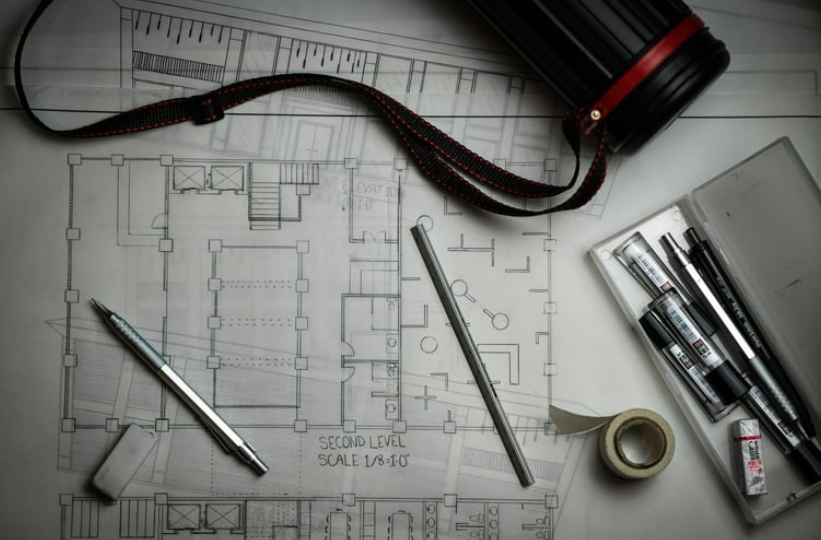
Drafting tools, a pencil, and a blueprint tube arranged on a white floor plan of a building.
November 6, 2025
If you’ve ever wondered what keeps a building running smoothly without constant hiccups, here’s your answer: MEP plans . These blueprints are the behind-the-scenes backbone that keeps water flowing, air circulating, and lights working like they’re supposed to. Most people don’t think about them until something goes wrong, but by then, it’s too late. Still, that doesn’t mean you need to be an expert to care. Knowing what’s in those MEP documents gives you leverage . It’s how you stay one step ahead, catch problems early, and make smarter decisions before they get expensive. There's more to it than pipes and wires, and once you get a glimpse, you’ll see why these plans deserve a spot at the top of your priority list.
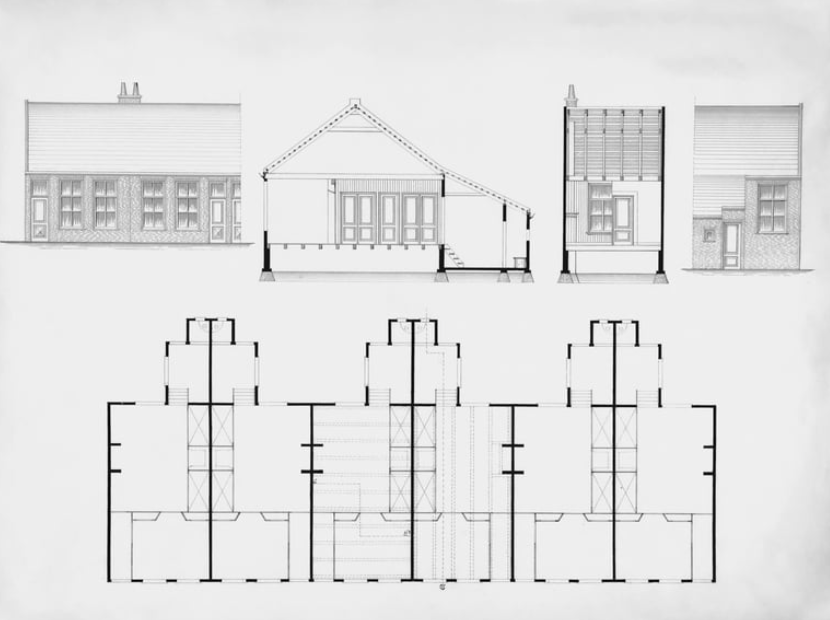
Architectural technical drawing showing elevations, sections, and floor plans for a three-unit residential structure.
October 2, 2025
There’s a lot that can go sideways on a construction site—but getting the drawings right isn’t something you want to gamble on. Long before the first shovel hits dirt, a project’s success quietly starts on paper. Not flashy, not loud, but absolutely necessary. Structural project drawings may not be the star of the show, but they’re the ones holding the whole thing together. These blueprints aren’t just boxes and lines—they're how big ideas become real-world builds. They help everyone on the job stay aligned without playing a game of construction telephone. When done right, they cut confusion, avoid surprises, and keep your project from turning into a money pit. So if you're leading a build, investing in one, or just trying not to mess it up, paying attention to those drawings early on is one smart move you won’t regret.
A
September 10, 2025
So, you're ready to build something. Maybe it’s a small upgrade, maybe it’s a full-blown development. Either way, there's a good chance you’ll run into three letters that can either slow you down or set you up right:ARA. ARA permits tend to sound like paperwork purgatory. And sure, they can be a headache if you don’t know what you're dealing with. But once you get what they’re really for—and why they matter—they start to feel less like a roadblock and more like a blueprint for doing things right. Stick around, because figuring them out now might just save you a world of trouble later.
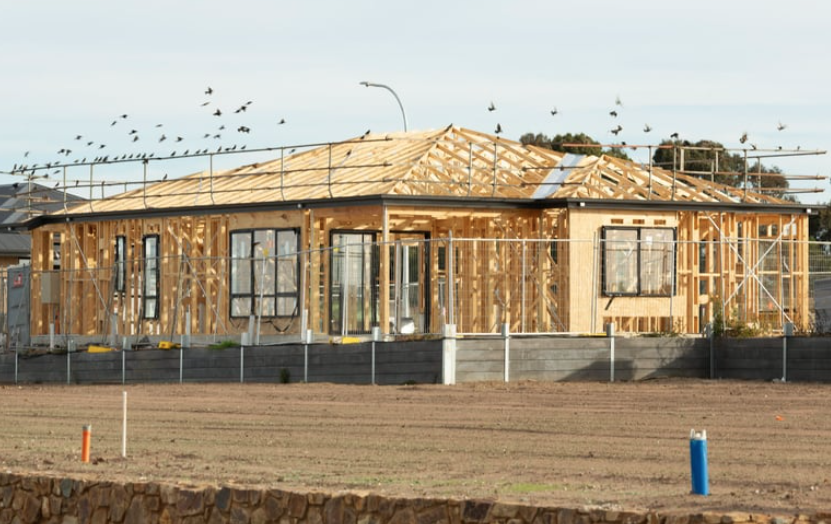
A house under construction with exposed wooden framing and roof trusses, set against a field with a flock of birds above.
July 15, 2025
Pulling off a construction project in Texas isn’t just about blueprints and big ideas—it’s about knowing how to get through the maze of rules before the first shovel hits the dirt. Permits don’t hand themselves out, and before you even get there, you’ll need to define what exactly you’re building, why it matters, and where all the puzzle pieces go. That’s where your project scope is needed. It’s not just red tape—it’s the glue holding your entire game plan together. A solid scope keeps things from going sideways. It gives your project a real shape before anything physical takes form. Local officials, architects, and contractors aren’t mind readers—your scope tells them what’s what. Skip it, and you're setting yourself up for delays, missteps, and probably a few headaches. Get it right, and you're already halfway to your permit approval.
An orange
June 13, 2025
You’ve got the lot, the ideas, maybe even a Pinterest board bursting at the seams. Whether it's a dream home or just adding a deck that doesn’t scream "1994," you're ready to get moving. But before anything gets hammered or hauled, there’s a behind-the-scenes player you can’t ignore: building permits. They’re not glamorous, and no one frames them on the wall, but try skipping them and you’ll be so far behind in fines, delays, or worse—your neighbor’s angry stare. The process might sound a bit complicated at first, but it’s really just a necessary rite of passage for anyone serious about doing things right. Permits are how your wild ideas meet real-world rules—and those rules aren’t just there to kill the vibe. They keep your build safe, legal, and something the city won’t try to shut down halfway through. If you're about to break ground or knock something down, stick around. We’re about to make permits make sense.
People working at desks with computers in a bright, modern office space.
By Business Consulting Group April 16, 2025
Permits might not be the hottest topic at your morning meeting, but ignoring them can seriously mess with your groove. Think of them as the backstage crew—quiet, invisible, but running the whole show. One slip-up and you’re not just missing cues—you’re off the stage entirely. The paperwork might look like a drag, but there’s a lot more at stake than staplers and stamps. Miss a deadline or overlook a form, and suddenly your smooth operation hits a wall. Nobody’s got time for surprise shutdowns or expensive delays when you’ve got bigger goals to chase. Let’s be real—keeping up with permit rules isn’t how you pictured spending your time. Handing it off to people who actually like dealing with that stuff? That’s not just smart—it’s survival. These pros know how to read the fine print, dodge headaches before they happen, and keep your business humming while you focus on what actually lights you up. It's not about losing control. It’s about building a system that works quietly in your corner, so you don’t have to. Call it your invisible armor—less stress, more focus, and fewer “what now?” moments. Stick around, because next up, we’re showing how this simple shift can save you from the mess no one sees coming. 
A wooden stamp rests on top of a printed architectural floor plan labeled
March 6, 2025
You're embarking on a construction journey, each phase intricately woven into the fabric of a larger vision. Knowing where to start and how to go through the miles of paperwork required is key to turning blueprints into reality. It can feel like a relentless quest through a maze, as regulations envelop your project, adding layers of complexity to even the most straightforward builds. Have you considered, though, the time saved and stress avoided when professionals lead your path? Their expertise transforms your approach into an art form—a symphony carefully orchestrated rather than a cacophony of last-minute dashes and hurried corrections. When deadlines approach at the speed of a freight train, having permit consultants as conductors helps steer the entire train precisely. Balancing the income of ideas and resources while ensuring structural integrity doesn’t teeter on bureaucratic delays calls for guidance rooted in local expertise. You stay in creative control, focusing on your primary tasks, as others expertly sift through the sands of regulatory compliance.  Isn’t it time to discover how experts transform the permit process into an exercise in peace of mind and efficiency?
Show More