



5 Reasons to Invest in Accurate Structural Project Drawings

October 2, 2025

Share this article

There’s a lot that can go sideways on a construction site—but getting the drawings right isn’t something you want to gamble on.

Long before the first shovel hits dirt, a project’s success quietly starts on paper. Not flashy, not loud, but absolutely necessary.

Structural project drawings may not be the star of the show, but they’re the ones holding the whole thing together.

These blueprints aren’t just boxes and lines—they're how big ideas become real-world builds. They help everyone on the job stay aligned without playing a game of construction telephone.

When done right, they cut confusion, avoid surprises, and keep your project from turning into a money pit.

So if you're leading a build, investing in one, or just trying not to mess it up, paying attention to those drawings early on is one smart move you won’t regret.


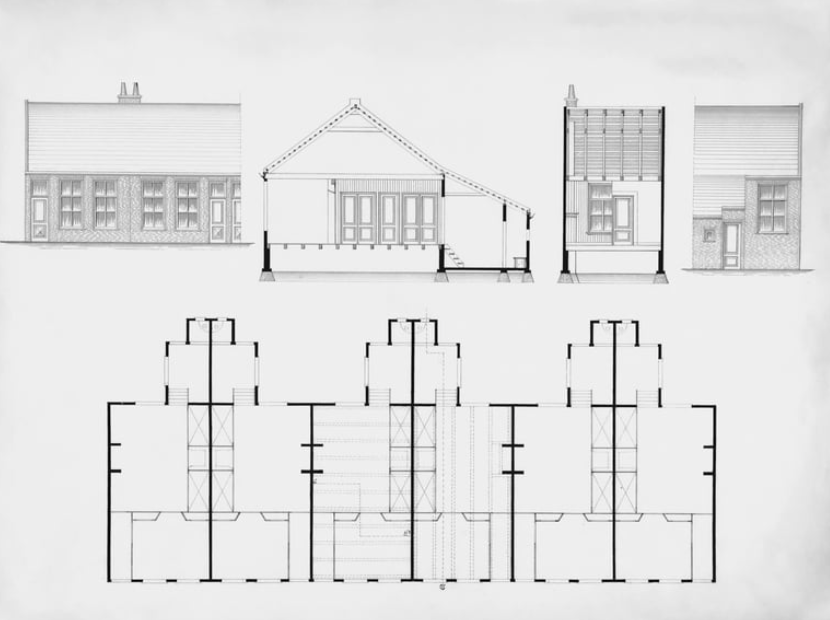
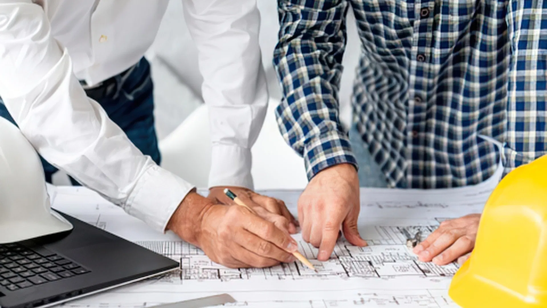
Architectural drawings of a building showing elevations, a cross-section, and a symmetrical floor plan.

Why Structural Project Drawings Matter More Than You Think

A solid project starts with a solid plan—and in construction, that plan lives inside the structural drawings. They aren’t just technical sketches; they’re the playbook.

Every beam, bolt, and boundary line is spelled out so that no one’s left guessing. Materials, dimensions, and methods—they’re all there, giving everyone involved the clarity they need to do their jobs right the first time.

When done properly, these drawings turn abstract ideas into actual steps. They give architects, engineers, and builders a shared reference point, cutting down the “he said, she said” moments that stall progress.

With one clear roadmap, everyone—from the folks in the office to the ones wearing hard hats—can see how their part fits into the whole. That kind of alignment isn’t just nice to have; it keeps costly surprises from creeping in later.

Beyond clarity, accurate drawings are a game-changer for workflow. A well-structured plan speeds up decisions and helps keep resources where they should be.

Time gets used wisely, teams stay on track, and the budget doesn’t spiral out of control. It’s the difference between charging ahead with confidence and playing catch-up because someone missed a detail.

You also avoid the domino effect of poorly planned adjustments. When the details are locked in early, you're not scrambling mid-build to fix avoidable issues. That means fewer delays, fewer change orders, and fewer headaches across the board.

Then there’s the long game. These drawings don’t just get you to project completion—they set the stage for whatever comes next.

Future renovations, system upgrades, or structural fixes become a lot easier when you’ve got a clear visual record of what went where and why.

They also help make sure everything stays above board with local codes and safety standards, reducing the risk of compliance issues down the line.

At the end of the day, investing in precise structural drawings is about control. You get a handle on the full scope before anyone picks up a tool.

And that kind of foresight doesn’t just protect your budget—it protects the vision you're building toward. With a strong foundation in place, you don’t just finish the job—you finish it right.


5 Reasons to Invest in Accurate Structural Project Drawings

Structural drawings may not look flashy, but their impact is anything but subtle.

These documents do more than check boxes for code compliance—they’re your frontline defense against financial surprises, scheduling chaos, and safety risks that can derail even the most promising build.

Skipping detailed drawings might seem like a quick way to cut costs, but it's usually the opposite.

Without clear specs, projects rack up expensive change orders, wasted materials, and rework nobody budgeted for. A solid set of structural plans isn’t just an expense—it’s a cost control strategy.

Here’s what accurate drawings help you do:

  1. Avoid costly construction errors before they happen
  2. Keep the project timeline on track by reducing unexpected delays
  3. Streamline communication between teams for better coordination
  4. Improve on-site safety by outlining clear structural requirements
  5. Ensure long-term adaptability for future renovations or inspections

Each of these benefits ties back to one thing: clarity. When the framework is clearly laid out, teams move faster, decisions get easier, and surprises shrink to a manageable size.

Good drawings give project managers the structure they need to assign tasks, plan schedules, and manage resources with fewer headaches.

The ripple effect touches every part of the build. Crews know where they stand, materials show up when they should, and your entire operation starts to feel more like a well-oiled machine than a juggling act.

That kind of efficiency doesn’t just save time—it helps maintain momentum, which is half the battle in construction.

And then there’s safety. Overlooking one key structural detail can put people at risk and leave your team exposed to serious liabilities.

Well-prepared drawings give you a chance to spot red flags early, so you can build smarter and safer. When your crew has a clear picture of what’s expected, they’re not guessing or improvising—they’re working with confidence.

At the end of the day, investing in accurate structural drawings isn’t just about hitting project milestones. It’s about protecting your investment, your people, and your peace of mind.

When the foundation is right, everything else has a better shot at falling into place.


How Detailed Drawings Keep Projects Moving

Construction delays don’t usually stem from a single bad decision—they creep in through small oversights.

And one of the most common culprits? Incomplete or vague structural drawings. Without a solid set of details early on, approvals drag, schedules fall apart, and teams scramble to make sense of what should’ve been clear from the start.

Municipal red tape is a reality on nearly every build. Permits, inspections, and zoning regulations—they're all part of the process.

But accurate structural drawings give you a leg up. They spell out exactly how your project meets requirements, leaving little room for second-guessing by local authorities.

When your plans show that you've already accounted for safety codes, environmental concerns, and compliance quirks, you’re far more likely to get that stamp of approval without multiple revisions.

This isn’t just about getting through paperwork faster. It’s about avoiding the ripple effects of approval delays.

With detailed drawings in hand, you're able to time inspections, line up permits, and work around government timelines with fewer hiccups. That kind of planning keeps crews working and momentum steady.

A good drawing isn’t just a design—it’s a scheduling tool. You can see when things need to happen, who’s responsible, and where hold-ups might occur.

When issues do pop up, your team isn’t caught off guard. They’ve got the context to adapt quickly and keep moving without losing days—or weeks—figuring it out.

You also win points with stakeholders when your plans come in tight and organized. Nobody likes hearing that a project’s delayed because someone forgot to submit updated specs or didn’t realize a compliance change had gone into effect.

Detailed structural drawings give you a clean, professional edge that signals you’ve thought it all through.

And if something does change mid-project, having a clear drawing set makes it easier to change.

You're not reworking from scratch—you’re adjusting within a well-mapped framework. That saves time, cuts down confusion, and keeps frustration low across the board.

More importantly, inspectors and permitting offices are far more willing to work with someone who’s made their job easier. When you show up prepared, the review process tends to move faster, and any bumps are easier to smooth over.

Bottom line: detailed structural drawings aren’t just technical documents. They’re time-savers, headache-reducers, and one of the smartest ways to keep your build running on schedule.


Start Your Project With Guaranteed Precision With AA Permit Solutions

Construction is never just about bricks and beams—it’s about smart planning, tight coordination, and clear direction from day one.

Detailed structural drawings aren’t an afterthought; they’re the anchor of a well-run project. They keep stakeholders aligned, approvals moving, and timelines intact. When every line has a purpose, guesswork fades and execution improves.

Accuracy at the beginning means fewer detours along the way. With clear drawings, you avoid missteps that eat into your budget, delay your schedule, or invite compliance issues.

It’s about working smarter—knowing what’s coming, staying prepared, and building with intent. Projects that start with clarity stay on track, finish faster, and perform better over time.

If you're aiming for a build that doesn’t just meet standards but sets them, we’ve got you covered. Get Accurate Structural Drawings & Compliance Reports fit to your project’s specific scope, timeline, and regulatory needs.

Our work is built for clarity, precision, and efficiency—so your team can move forward with confidence.

Need help getting started? Reach out to our team directly at (713) 428-2321 or explore more of what we offer at AA Permit Solutions. Let’s get your project off the ground—on time, on budget, and on point.


Recent Posts

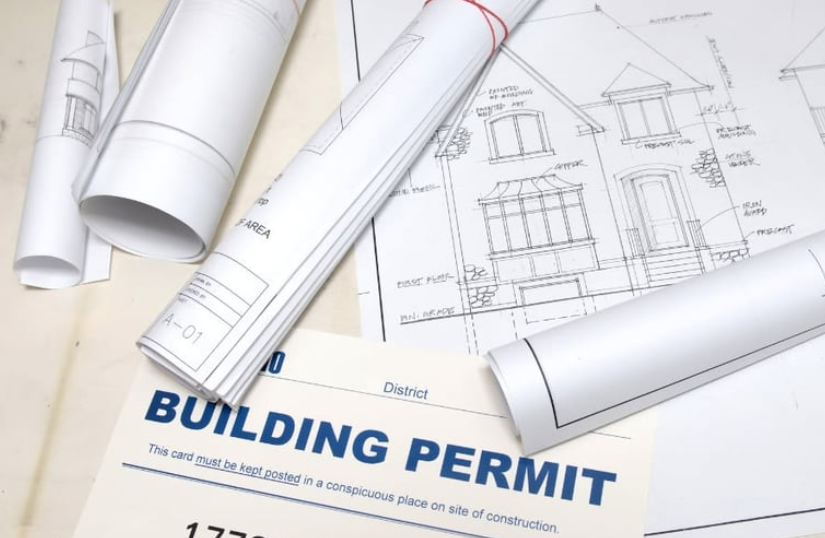
A building permit application sitting on architectural plans with professional tools.
April 3, 2026
Master the building permit process with our expert guide for contractors. Learn tips for residential, commercial, and industrial permit approvals to keep your projects on schedule and compliant.
An approved building permit document surrounded by a magnifying glass, a hammer, a tape measure, and a construction hat.
February 9, 2026
Permits can feel like the quiet step in construction that somehow controls every loud step that follows. A great crew, solid materials, and a ready client won’t matter if the paperwork stalls the start date or a correction notice sends your plans back to the top of the pile. Building permit outsourcing gives contractors, developers, and property owners a practical way to reduce delays, tighten budgets, and keep projects moving with fewer surprises.
Blueprints for a house lying next to a building permit document.
January 13, 2026
Permits in Texas can feel simple until you run into a city comment, a missing plan sheet, or an inspection that can’t be scheduled because a prior step was skipped. The good news is that most permit problems come from a short list of issues: not knowing when a permit is required, not matching local rules, or submitting incomplete documents. If you get those parts right, the process becomes far more predictable, and your project can move forward with fewer delays.
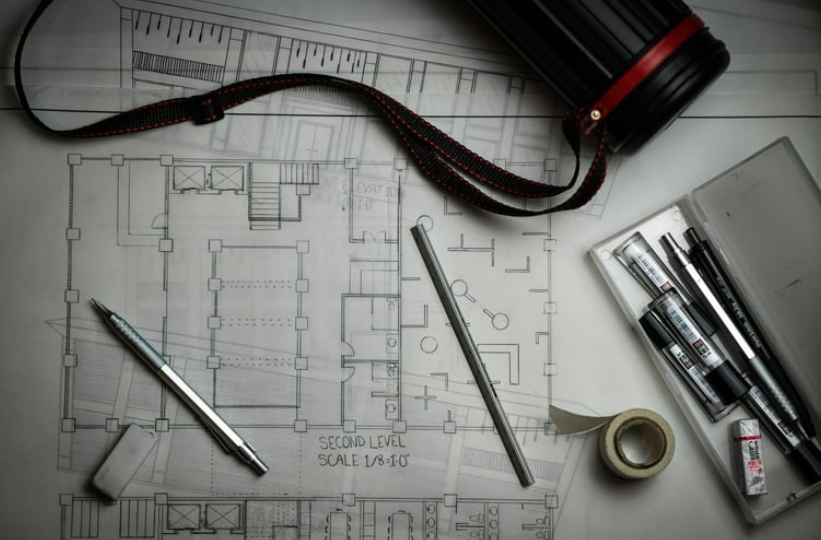
Drafting tools, a pencil, and a blueprint tube arranged on a white floor plan of a building.
November 6, 2025
If you’ve ever wondered what keeps a building running smoothly without constant hiccups, here’s your answer: MEP plans . These blueprints are the behind-the-scenes backbone that keeps water flowing, air circulating, and lights working like they’re supposed to. Most people don’t think about them until something goes wrong, but by then, it’s too late. Still, that doesn’t mean you need to be an expert to care. Knowing what’s in those MEP documents gives you leverage . It’s how you stay one step ahead, catch problems early, and make smarter decisions before they get expensive. There's more to it than pipes and wires, and once you get a glimpse, you’ll see why these plans deserve a spot at the top of your priority list.
A
September 10, 2025
So, you're ready to build something. Maybe it’s a small upgrade, maybe it’s a full-blown development. Either way, there's a good chance you’ll run into three letters that can either slow you down or set you up right:ARA. ARA permits tend to sound like paperwork purgatory. And sure, they can be a headache if you don’t know what you're dealing with. But once you get what they’re really for—and why they matter—they start to feel less like a roadblock and more like a blueprint for doing things right. Stick around, because figuring them out now might just save you a world of trouble later.
A house under construction with exposed wooden framing and roof trusses, set against a field with a flock of birds above.
July 15, 2025
Pulling off a construction project in Texas isn’t just about blueprints and big ideas—it’s about knowing how to get through the maze of rules before the first shovel hits the dirt. Permits don’t hand themselves out, and before you even get there, you’ll need to define what exactly you’re building, why it matters, and where all the puzzle pieces go. That’s where your project scope is needed. It’s not just red tape—it’s the glue holding your entire game plan together. A solid scope keeps things from going sideways. It gives your project a real shape before anything physical takes form. Local officials, architects, and contractors aren’t mind readers—your scope tells them what’s what. Skip it, and you're setting yourself up for delays, missteps, and probably a few headaches. Get it right, and you're already halfway to your permit approval.
An orange
June 13, 2025
You’ve got the lot, the ideas, maybe even a Pinterest board bursting at the seams. Whether it's a dream home or just adding a deck that doesn’t scream "1994," you're ready to get moving. But before anything gets hammered or hauled, there’s a behind-the-scenes player you can’t ignore: building permits. They’re not glamorous, and no one frames them on the wall, but try skipping them and you’ll be so far behind in fines, delays, or worse—your neighbor’s angry stare. The process might sound a bit complicated at first, but it’s really just a necessary rite of passage for anyone serious about doing things right. Permits are how your wild ideas meet real-world rules—and those rules aren’t just there to kill the vibe. They keep your build safe, legal, and something the city won’t try to shut down halfway through. If you're about to break ground or knock something down, stick around. We’re about to make permits make sense.
A floor plan sketch on paper with drafting tools, including a ruler and three pencils, on a green cutting mat.
May 14, 2025
You’ve got the blueprints, the dream, maybe even the Pinterest board—now comes the part no one gets excited about: permits. Before anything gets built, there's paperwork to battle. Don’t worry, though; this isn’t a legal thriller—it's just part of the process. Skip this step, and you risk more than delays; think surprise fees or sudden "stop work" signs placed on your project. Sounds dramatic? It really is. But here's the twist—submitting permits doesn’t have to feel like decoding ancient scrolls. It’s about knowing what’s needed, when it’s needed, and how not to tick off the folks reviewing your forms. The trick is laying down some groundwork early so you’re not scrambling later. Once you figure out how all the pieces fit—codes, reports, timelines, and the unspoken rules—you’ll be miles ahead of the average permit rookie. Stick around, and we’ll walk through how to get that green light without the headaches.
People working at desks with computers in a bright, modern office space.
By Business Consulting Group April 16, 2025
Permits might not be the hottest topic at your morning meeting, but ignoring them can seriously mess with your groove. Think of them as the backstage crew—quiet, invisible, but running the whole show. One slip-up and you’re not just missing cues—you’re off the stage entirely. The paperwork might look like a drag, but there’s a lot more at stake than staplers and stamps. Miss a deadline or overlook a form, and suddenly your smooth operation hits a wall. Nobody’s got time for surprise shutdowns or expensive delays when you’ve got bigger goals to chase. Let’s be real—keeping up with permit rules isn’t how you pictured spending your time. Handing it off to people who actually like dealing with that stuff? That’s not just smart—it’s survival. These pros know how to read the fine print, dodge headaches before they happen, and keep your business humming while you focus on what actually lights you up. It's not about losing control. It’s about building a system that works quietly in your corner, so you don’t have to. Call it your invisible armor—less stress, more focus, and fewer “what now?” moments. Stick around, because next up, we’re showing how this simple shift can save you from the mess no one sees coming. 
A wooden stamp rests on top of a printed architectural floor plan labeled
March 6, 2025
You're embarking on a construction journey, each phase intricately woven into the fabric of a larger vision. Knowing where to start and how to go through the miles of paperwork required is key to turning blueprints into reality. It can feel like a relentless quest through a maze, as regulations envelop your project, adding layers of complexity to even the most straightforward builds. Have you considered, though, the time saved and stress avoided when professionals lead your path? Their expertise transforms your approach into an art form—a symphony carefully orchestrated rather than a cacophony of last-minute dashes and hurried corrections. When deadlines approach at the speed of a freight train, having permit consultants as conductors helps steer the entire train precisely. Balancing the income of ideas and resources while ensuring structural integrity doesn’t teeter on bureaucratic delays calls for guidance rooted in local expertise. You stay in creative control, focusing on your primary tasks, as others expertly sift through the sands of regulatory compliance.  Isn’t it time to discover how experts transform the permit process into an exercise in peace of mind and efficiency?
Show More