





Compare DIY permitting with hiring a Texas permit expediter. Learn which option fits your project, timeline, complexity, and local approval requirements.
Planning a pool, home addition, patio cover, garage conversion, or remodel? Learn when permits may be required in Texas and how to avoid costly project delays.
Master the building permit process with our expert guide for contractors. Learn tips for residential, commercial, and industrial permit approvals to keep your projects on schedule and compliant.
Streamline your building permit process with expert outsourcing. Contact us for faster approvals & reduced costs!
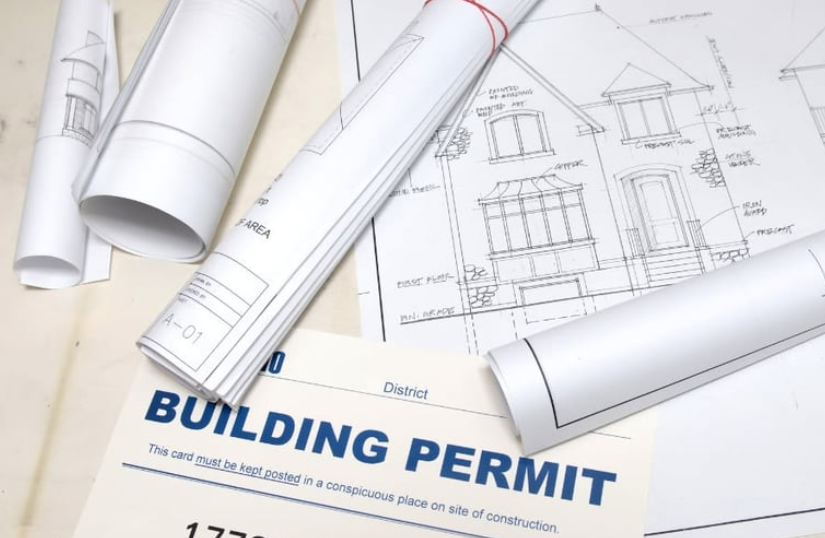
Understand Texas building permit requirements & avoid delays. Get expert help for your project today!
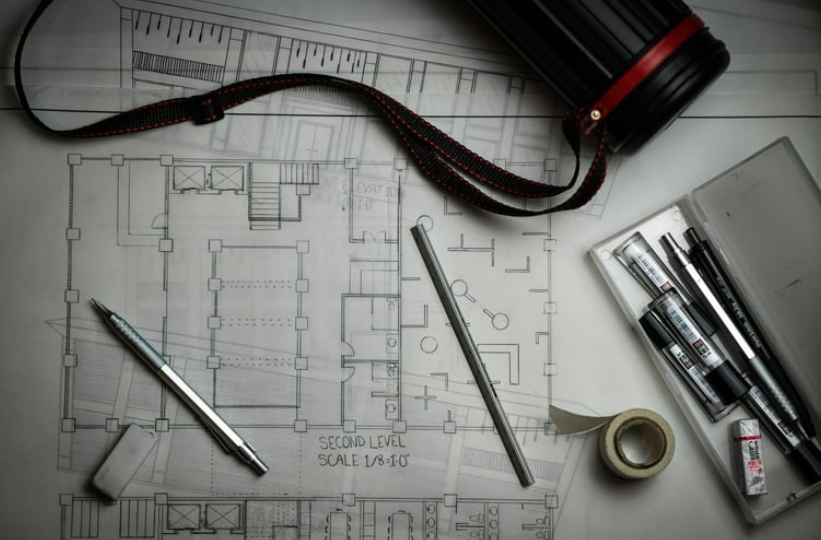
If you’ve ever wondered what keeps a building running smoothly without constant hiccups, here’s your answer: MEP plans . These blueprints are the behind-the-scenes backbone that keeps water flowing, air circulating, and lights working like they’re supposed to. Most people don’t think about them until something goes wrong, but by then, it’s too late. Still, that doesn’t mean you need to be an expert to care. Knowing what’s in those MEP documents gives you leverage . It’s how you stay one step ahead, catch problems early, and make smarter decisions before they get expensive. There's more to it than pipes and wires, and once you get a glimpse, you’ll see why these plans deserve a spot at the top of your priority list.
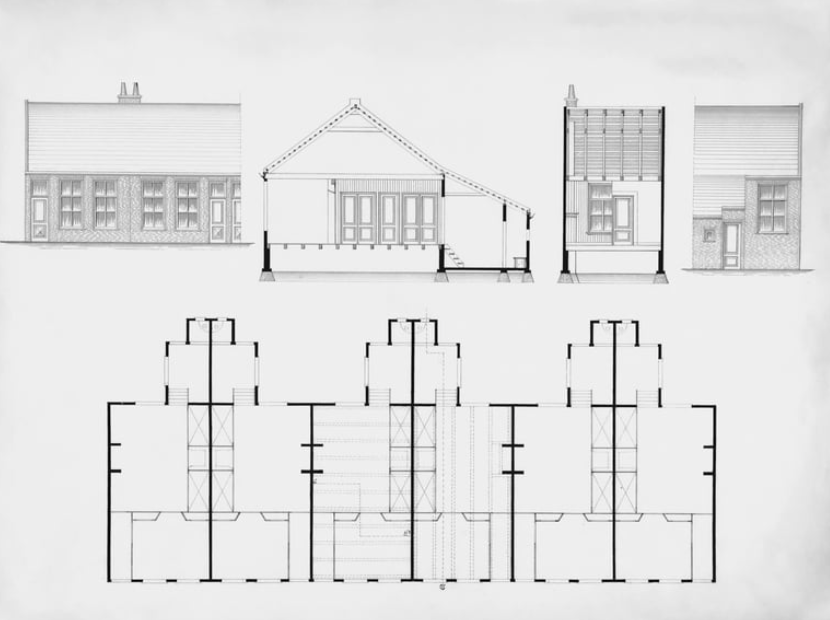
There’s a lot that can go sideways on a construction site—but getting the drawings right isn’t something you want to gamble on. Long before the first shovel hits dirt, a project’s success quietly starts on paper. Not flashy, not loud, but absolutely necessary. Structural project drawings may not be the star of the show, but they’re the ones holding the whole thing together. These blueprints aren’t just boxes and lines—they're how big ideas become real-world builds. They help everyone on the job stay aligned without playing a game of construction telephone. When done right, they cut confusion, avoid surprises, and keep your project from turning into a money pit. So if you're leading a build, investing in one, or just trying not to mess it up, paying attention to those drawings early on is one smart move you won’t regret.
So, you're ready to build something. Maybe it’s a small upgrade, maybe it’s a full-blown development. Either way, there's a good chance you’ll run into three letters that can either slow you down or set you up right:ARA. ARA permits tend to sound like paperwork purgatory. And sure, they can be a headache if you don’t know what you're dealing with. But once you get what they’re really for—and why they matter—they start to feel less like a roadblock and more like a blueprint for doing things right. Stick around, because figuring them out now might just save you a world of trouble later.
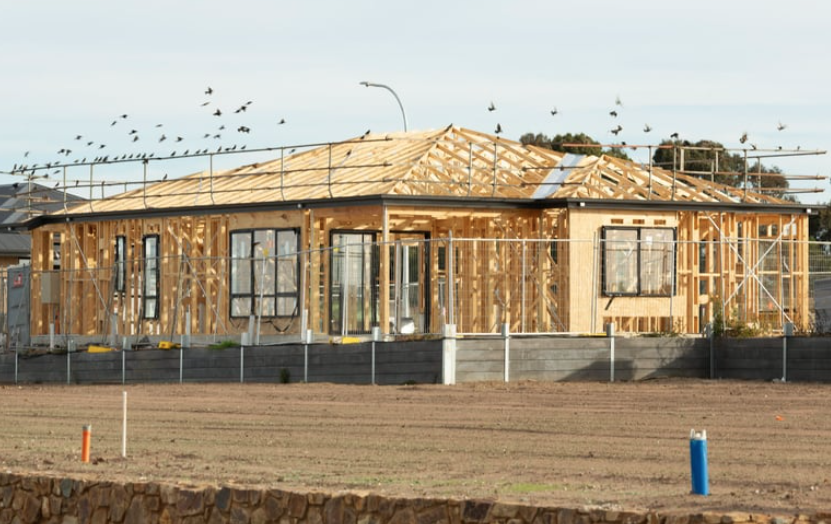
Pulling off a construction project in Texas isn’t just about blueprints and big ideas—it’s about knowing how to get through the maze of rules before the first shovel hits the dirt. Permits don’t hand themselves out, and before you even get there, you’ll need to define what exactly you’re building, why it matters, and where all the puzzle pieces go. That’s where your project scope is needed. It’s not just red tape—it’s the glue holding your entire game plan together. A solid scope keeps things from going sideways. It gives your project a real shape before anything physical takes form. Local officials, architects, and contractors aren’t mind readers—your scope tells them what’s what. Skip it, and you're setting yourself up for delays, missteps, and probably a few headaches. Get it right, and you're already halfway to your permit approval.
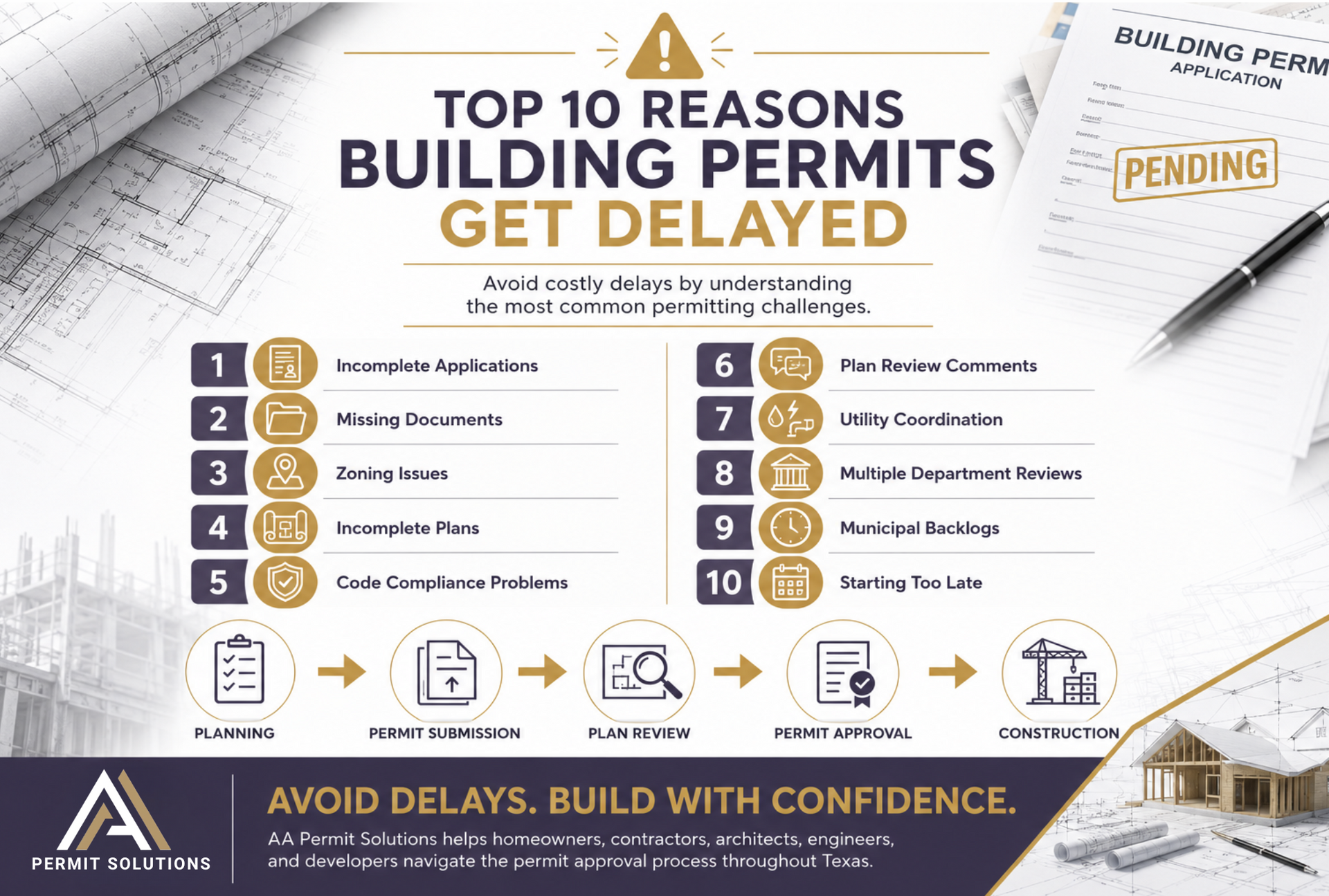
You’ve got the lot, the ideas, maybe even a Pinterest board bursting at the seams. Whether it's a dream home or just adding a deck that doesn’t scream "1994," you're ready to get moving. But before anything gets hammered or hauled, there’s a behind-the-scenes player you can’t ignore: building permits. They’re not glamorous, and no one frames them on the wall, but try skipping them and you’ll be so far behind in fines, delays, or worse—your neighbor’s angry stare. The process might sound a bit complicated at first, but it’s really just a necessary rite of passage for anyone serious about doing things right. Permits are how your wild ideas meet real-world rules—and those rules aren’t just there to kill the vibe. They keep your build safe, legal, and something the city won’t try to shut down halfway through. If you're about to break ground or knock something down, stick around. We’re about to make permits make sense.