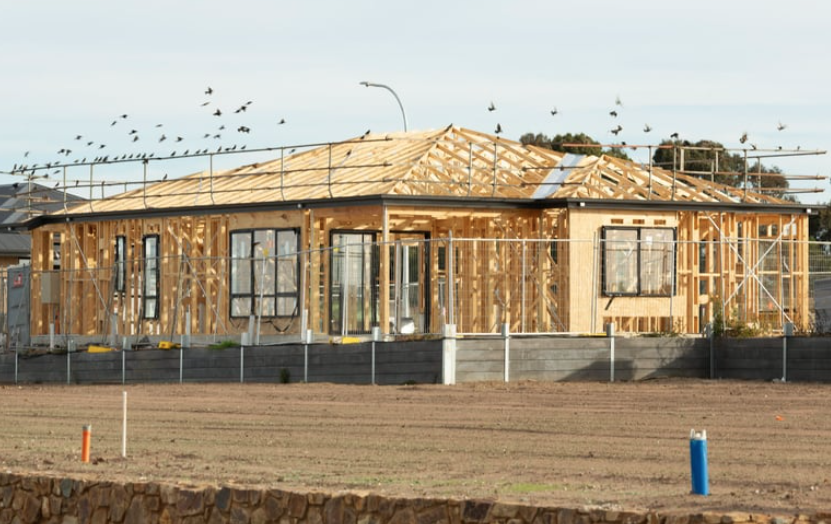
Understanding the Permit Process
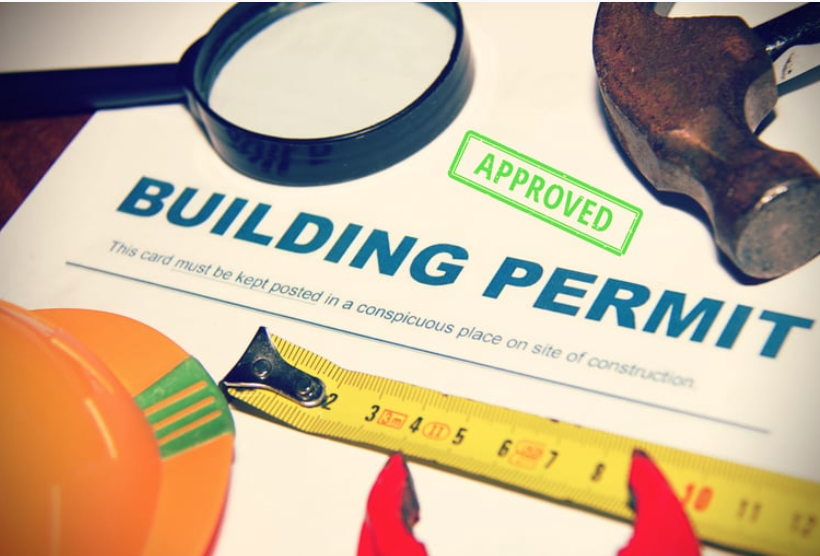
Understanding the permit process is crucial to keeping your construction projects on track and avoiding unnecessary delays. The building permit process typically involves several stages, beginning with a detailed review of your project’s plans and specifications. This step is often governed by local government regulations, which vary from one municipality to another. It’s critical to ensure that your plans comply with zoning laws, building codes, and safety standards. These local regulations dictate everything from the height of structures to the materials you can use. In Texas, for example, cities and counties have various additional requirements, making it necessary for you to tailor your applications specifically to each locale. If a project fails to meet these requirements, it can result in costly revisions and resubmissions that delay the start of construction. Each step must align with your overall project timeline to prevent bottlenecks that could lead to financial setbacks and strained relationships with contractors and stakeholders.
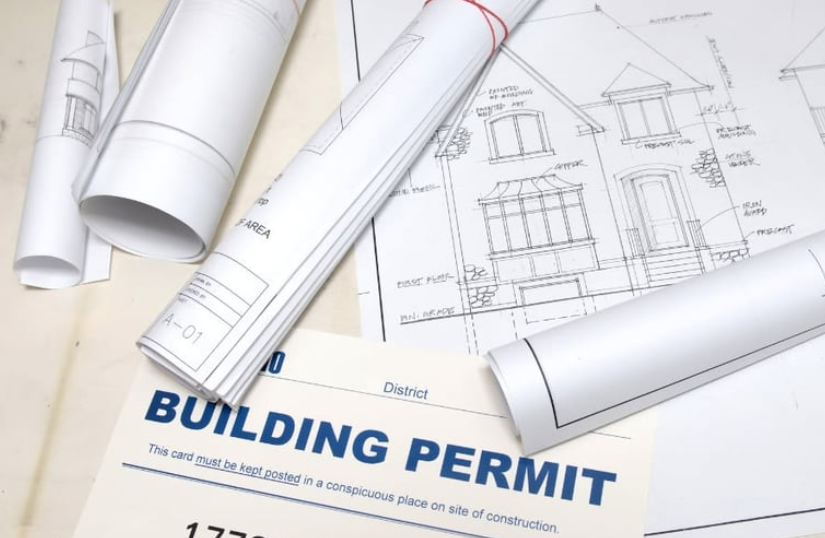
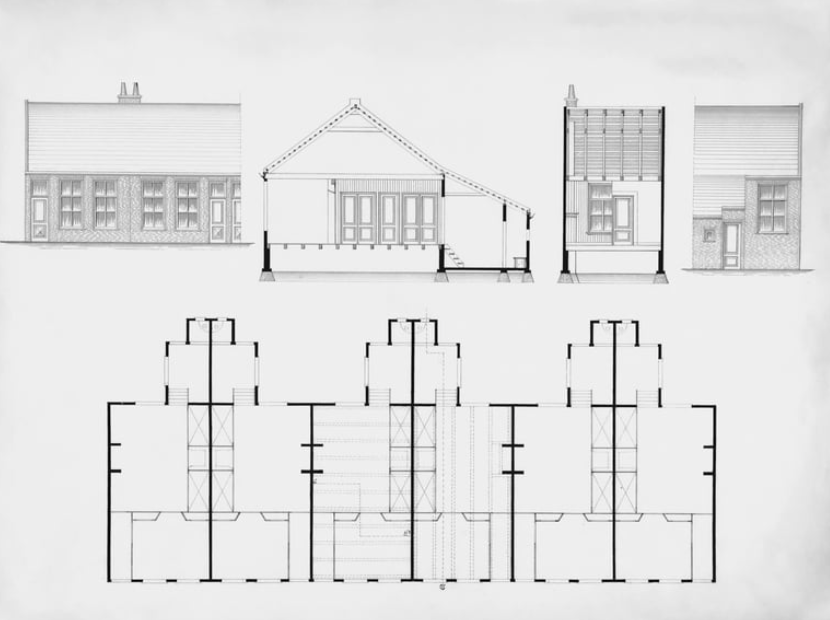
Another essential component of obtaining permits is the careful management and submission of all required documentation to the appropriate local authorities. Every document submitted plays a vital role in receiving prompt approval. Detailed site plans, structural calculations, and environmental impact reports may be required, depending on your project's scope and location. Coordination with specialized professionals, such as architects and engineers, ensures the accuracy and completeness of your submissions. Furthermore, understanding potential fees and the time frames associated with the approval process is indispensable. These costs can vary significantly and should be accounted for in your project budgeting. Addressing each aspect of the permit process diligently helps prevent missteps that could cascade into significant delays. An organized approach to compliance can help maintain positive momentum toward completing your project successfully and, importantly, within the scheduled timeline.
Common Permit Mistakes to Avoid
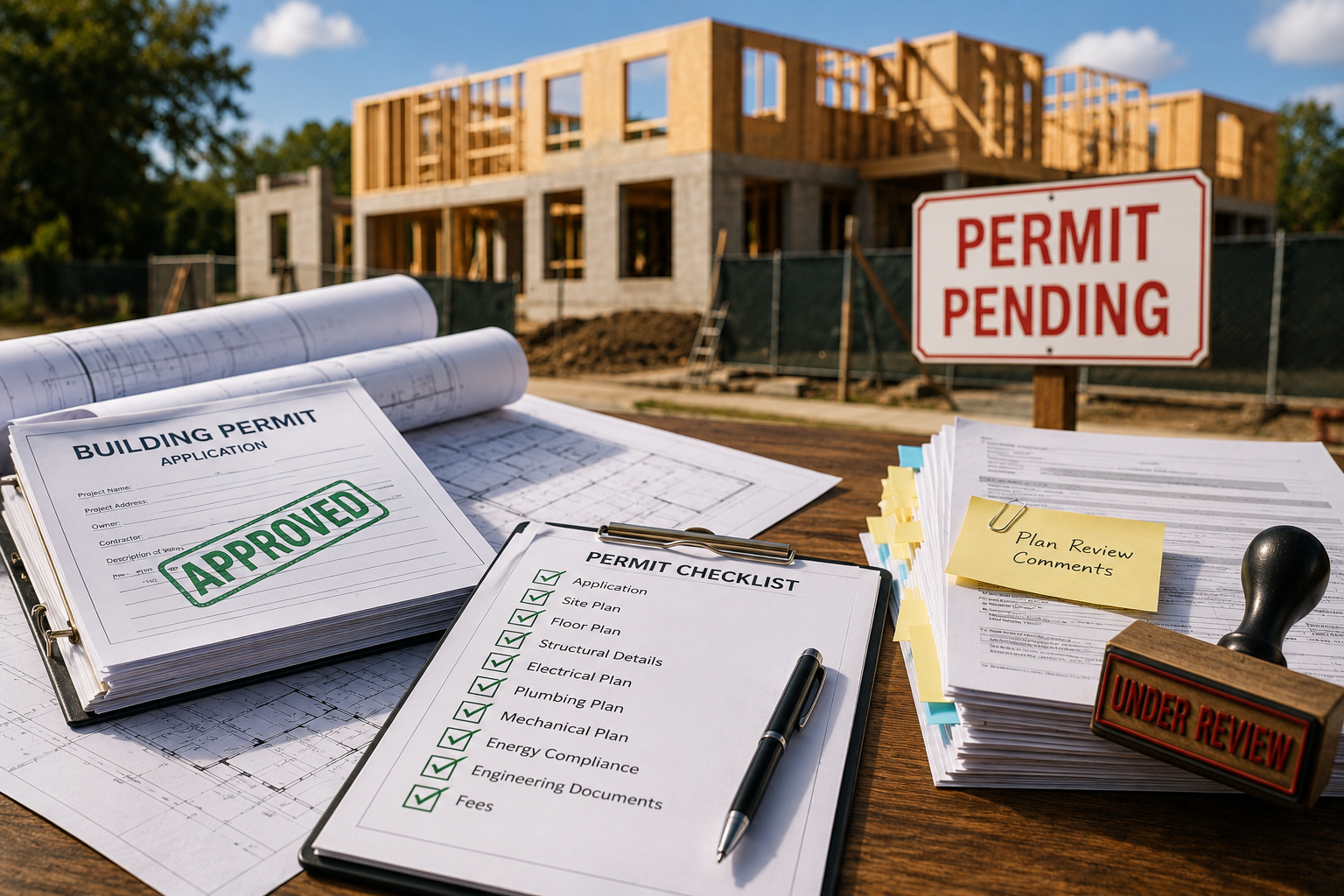
One of the most prevalent permit pitfalls is the submission of incomplete applications. It's easy to underestimate the level of detail required, but missing a single necessary document can pause your project as you scramble to gather additional information. For instance, omitting a required site plan or a structural analysis report can force reviewers to send your application back, resulting in a cycle of resubmissions and delays. The more extensive a project, the more intricate the documentation becomes. Therefore, it’s vital to double-check your submission and ensure that every component is present and organized. To streamline this step, consider having a checklist that aligns with the specific requirements of the city or county in Texas where your project is located. Engaging with professionals who are versed in the intricacies of local permit procedures can save you from these avoidable permit issues, ensuring that your application is both complete and compelling.
Misunderstanding local zoning laws is another typical stumbling block in the permitting process. Every jurisdiction has its own unique set of zoning laws, which dictate land use and building restrictions. Failure to fully understand these can lead to proposals being outright rejected or put on hold for revisions, causing permit mistakes that could have been avoided. For example, if you’re planning to build a multi-story complex in a zone designated for residential use, without the proper zoning adjustment or variance, you might face significant delays. This is especially true in the diverse regulatory landscape of Texas, where urban areas like Houston and rural ones such as Bastrop County might have vastly different requirements. Moreover, neglecting environmental clearances required for certain projects can also postpone progress. Some construction near protected wetlands or wildlife areas necessitates extensive environmental assessments. By neglecting these crucial checks, you might inadvertently breach regulations, further prolonging your timeline. Therefore, conducting thorough research and potentially consulting with environmental experts can help you anticipate necessary actions, preventing delays that could derail your project progression and budget.
Consequences of Permit Delays
Permit delays, when overlooked, can lead to frustrating consequences that ripple across various facets of a construction project. Projects often face timeline extensions and pressing budgets tighter than initially estimated as a direct result of permit-related setbacks. For instance, each day awaiting clarification or resubmission approval can translate to a missed contract milestone. Multiple reports highlight that construction project delays can increase project costs by approximately 8-18% per year, a hefty price for any developer. Additionally, the longer your project waits for a permit green light, the more you might need to financially support ongoing operational costs. These delays can exacerbate financial constraints, leading to unplanned borrowing or, worse, project downscaling. Building permit delays don't just affect financials but can strain relationships with stakeholders, including contractors and investors who rely heavily on prompt project delivery. Contractors might have to adjust their schedules, reallocating their workforce elsewhere, resulting in additional costs when they eventually return to your project. These circumstances can lead to a loss in trust, potentially souring professional relationships and hurting reputations.
Furthermore, navigating the maze of building permit delays can knock project timelines off balance, leading to extended completion dates that may not align with market demands. On a practical level, this might mean missing vital windows for optimal market entry or launch periods, especially in regions with weather-sensitive construction seasons. For example, if your project in Texas aims for completion before the sweltering summer months but gets caught in permit delays, this misalignment can upset productivity and impact work efficiency. As a real-world illustration, a case in Harris County highlighted such permit inefficiencies, where a residential development project faced a six-month delay due to overlooked fire safety permit requirements, pushing unsold property release well past the prime buying season. Hence, understanding and preventing permit misunderstandings can protect your project from delays that detract from your profitability margins and market competitiveness. By working closely with permit solutions experts who can navigate local requirements and anticipate potential bottlenecks, your path to a timely project completion becomes much more secure and predictable.
Strategies for Ensuring Permit Compliance
Addressing permit compliance effectively requires a proactive approach and a keen eye for detail. First and foremost, maintaining a comprehensive checklist for documentation is essential. This checklist should be updated regularly to reflect any changes in local ordinances and codes. By doing this, you reduce the risk of submitting incomplete applications, which are a common cause of permit delays. Creating a detailed timeline that incorporates key milestones related to permitting can help ensure that no step is overlooked in the preparation phase. Such a timeline offers a clear roadmap and keeps all parties accountable, enhancing collaboration and minimizing the potential for oversight that leads to unnecessary delays.
Equally important is fostering open lines of communication with local permitting authorities. Frequent check-ins with these offices allow you to stay informed about any regulatory changes or specific concerns they might have with your project. Additionally, being proactive in seeking advice and clarification on requirements can provide you with the insights needed to align your project’s goals with local regulations. This proactive approach should be complemented by partnering with experienced professionals like architects and legal consultants, who are familiar with local nuances and can offer guidance in navigating complex requirements. Lastly, it's vital to have a mechanism in place for tracking all permit-related expenses and updates. This ensures you remain within budget and adjust plans promptly, should new requirements emerge, helping you avoid permit delays and keep your project moving forward efficiently.
Streamlining the Permitting Process
Streamlining the permitting process can significantly reduce inefficient permitting and the frustration of permit delays. Hiring a permit expeditor is one effective way to navigate and accelerate this often complex system. These professionals bring an intricate understanding of local requirements and have established relationships with permit officials, which can be invaluable in smoothing out potential hiccups. Furthermore, expeditors are adept at spotting common causes of delays in construction projects, such as misfiled paperwork or overlooked regulations, ensuring your project remains on track. Similarly, utilizing technology, such as project management software tailored for construction, can provide real-time updates on permit statuses and deadlines. These tools enhance transparency, allowing you to anticipate and address potential issues before they become actual roadblocks, ultimately minimizing delays. Being proactive in this regard helps ensure that each detail of the permitting process is meticulously managed.
In addition, proactive planning and communication play a pivotal role in avoiding permit delays. Engaging with local authorities early in the planning phase to understand specific regulatory expectations can save significant time and resources down the line. Regular meetings with your project team ensure everyone is on the same page, preventing miscommunications that might lead to delays. Utilizing digital tools to track progress and maintain a clear timeline of crucial permitting milestones helps foster accountability and keeps your project moving efficiently. In situations where unexpected requirements arise, having a knowledgeable team in place capable of swiftly adapting keeps everything on course. Innovative solutions, like digital submittals and virtual consultations, have gained traction, enabling fluid communication and facilitating faster feedback from local officials. These strategies, combined with methodical planning and expert guidance, allow you to streamline the permitting process, which in turn aids in aligning project deadlines with your strategic goals.
Conclusion
When embarking on a construction project, the myriad of requirements involved can be overwhelming. However, by arming yourself with the right knowledge and resources, you can deftly avoid the common missteps that result in permit delays. While it’s true that permits are indispensable for ensuring safety and compliance, they should never be roadblocks to progress. By employing a meticulous approach towards compliance, you effectively maintain project momentum and safeguard your investment. As you encounter the intricate layers of regulations and documentation, remember that preparation is your best ally. A well-prepared application not only eases the approval process but also instills confidence among stakeholders. Your ability to forego delays largely hinges on your initial groundwork. At every stage, it is vital to leverage professional expertise to secure peace of mind and efficiency, leading to smoother project execution. With a focus on strategic organization and value-driven expertise, your project stands a much better chance of achieving its intended timeline and budget.
At AA Permit Solutions, we understand these complex challenges and are dedicated to bringing efficiency to your construction endeavors. Our services are tailored to meet your needs head-on, whether through precise permit preparation and submittal services, detailed permit management and coordination, or crafting specialized plans and compliance Reports. We aim to simplify the complicated, ensuring your permit journey feels manageable and straightforward. By collaborating with us, you’re choosing proactive solutions and professional insights that keep your projects moving seamlessly. Whether you’re managing residential, commercial, or any other type of construction project, allow our expertise to guide you through Texas’s regulatory landscape with ease. Engaging our services means aligning with a team that prioritizes your timelines and understands the intricacies impacting each phase of your construction plan. Should you have any inquiries or need further assistance, don’t hesitate to reach out to us at (713)428-2321. Together, we can transform potential permitting obstacles into clear pathways forward, ensuring your project not only meets compliance requirements but also exceeds your expectations.