Understanding the Role of a Permit Coordinator
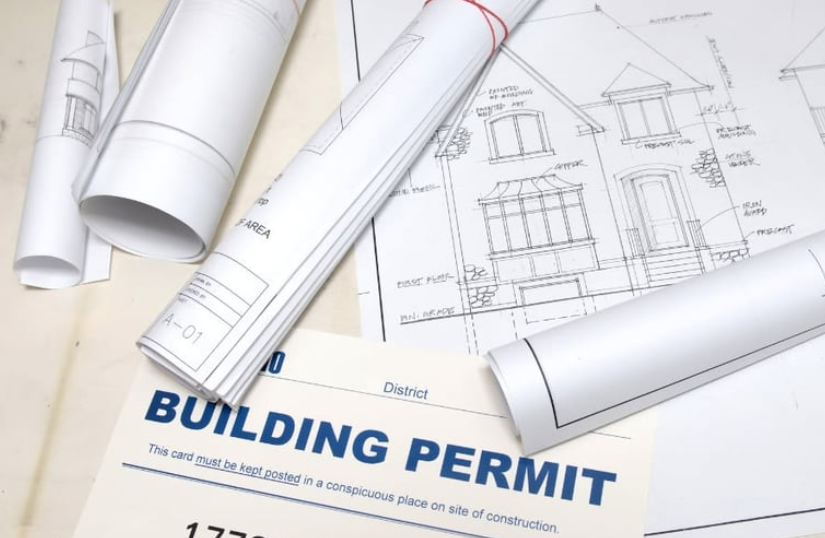
The role of a permit coordinator is multifaceted and essential in ensuring construction projects progress smoothly and in compliance with local regulations and codes. A permit coordinator acts as the critical link between property owners, construction teams, architects, and government agencies. Their primary responsibility involves overseeing the preparation and submittal of permit applications, ensuring that every detail meets the stringent requirements set forth by the authorities. They are meticulous in coordinating with various departments to manage any hurdles that may arise, whether it’s a zoning issue or a compliance question. Furthermore, they track application progress and conduct follow-ups efficiently, keeping your project timeline intact. Their job extends to advising teams on applicable regulations and helping troubleshoot compliance issues, which is a crucial step in avoiding costly delays. Permit coordinators utilize specialized plans and compliance reports to anticipate challenges before they occur, which can guard against unforeseen interruptions.
To succeed in permit coordinator jobs, one must possess a keen understanding of local building codes and zoning regulations. Skills like problem-solving and communication are indispensable, as coordinators must frequently liaise with various stakeholders, explaining complex compliance issues in understandable terms. Attention to detail ensures that no small aspect is overlooked, preventing errors that could result in denied permits or delays. Moreover, they must be adept at project management, maintaining extensive logs and timelines to coordinate multiple permits across different phases of a project. Ultimately, a permit coordinator's ability to prioritize tasks belies their efficiency in maintaining project momentum, underscoring why their role is so integral to construction project management. If you're considering the importance of having a dedicated professional to manage permits, knowing how their skill set aligns with project needs can save both time and resources.
Navigating Permit Challenges in Construction Projects
However, navigating the labyrinthine world of permits in construction projects often reveals a myriad of challenges that can easily derail progress if not handled properly. Common issues include discrepancies in zoning requirements, unexpected changes to local building codes, or omitted details in the application that necessitate resubmission. In these scenarios, a permit manager functions as a solution-oriented professional who keeps these potential pitfalls in check. By closely monitoring legislative changes and maintaining open lines of communication with relevant departments, a permit coordinator ensures that no stone is left unturned in the permit approval process. Furthermore, when regulatory landscapes shift, they swiftly adapt applications, reducing potential disruptions to your project timeline. Their proactive approach and foresight allow them to anticipate issues before they become bottlenecks, thus safeguarding your deadlines.
For those tackling construction projects, consider the way a permit coordinator manages complex documentation as akin to a conductor leading an orchestra. This orchestration is not just about moving pieces but ensuring they play harmoniously. Every permit deadline, every compliance requirement—it's all synchronized under their meticulous management. Moreover, they will often mitigate the back-and-forth between construction teams and local authorities, ensuring that only the most complete and compliant applications are submitted. This act alone can spell the difference between a seamless process and one plagued with repeated delays. Should you need any adjustments or consultations on more technical compliance matters, you’ll find that their network and vast knowledge become indispensable assets, smoothing over any rough patches with expertise and efficiency. Through their skilled involvement, costly mistakes are dissuaded, timelines are preserved, and peace of mind is assured.
The Permit Coordinator's Impact on Project Timelines
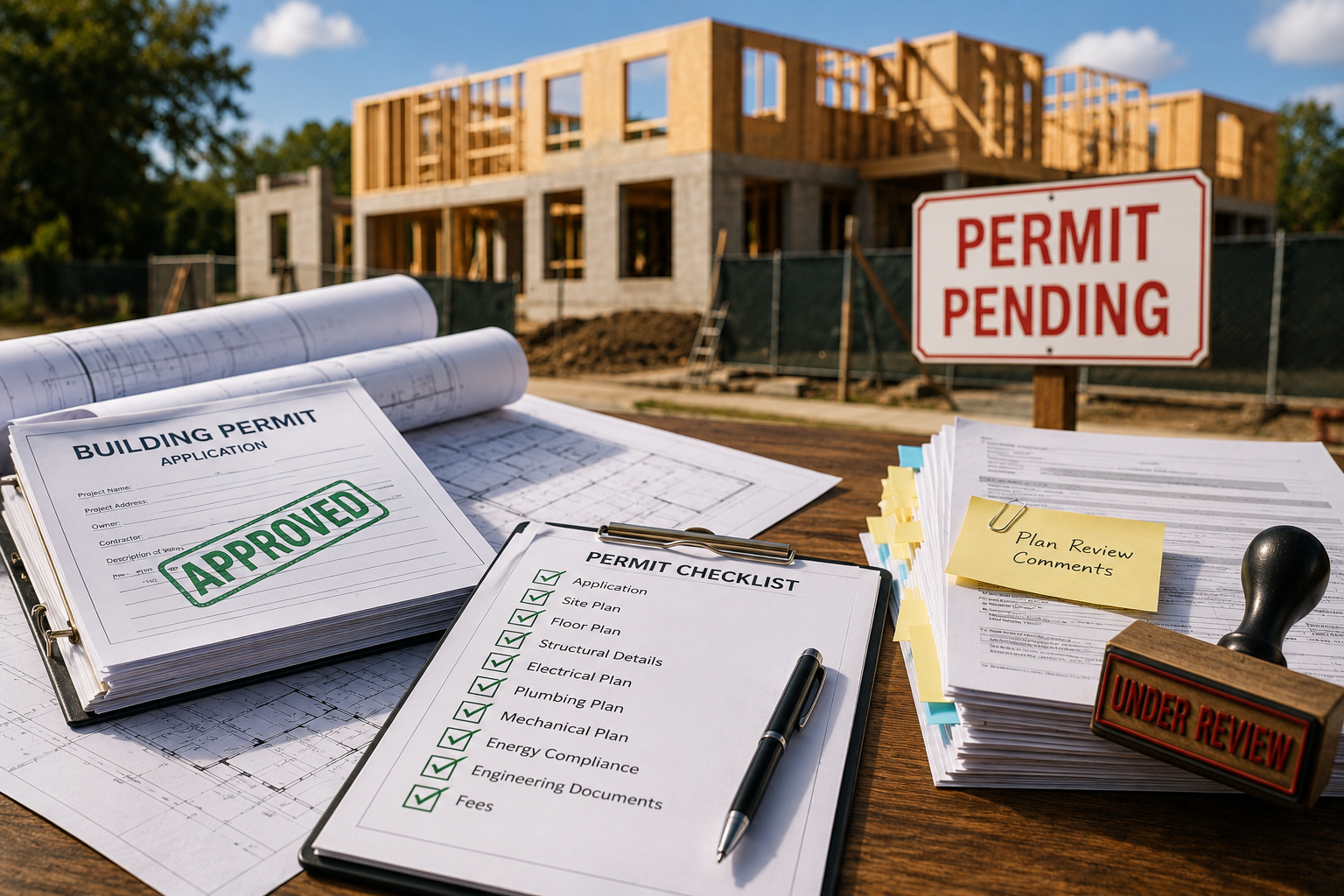
Another vital aspect of a permit coordinator's role is maintaining the rhythm of communication across numerous channels. It’s not just about obtaining approvals; it’s about keeping everyone informed and aligned with every step of the process. Imagine trying to manage a construction project without a clear line of sight on where each permit stands. This lack of visibility can lead to misaligned expectations, confusion, and ultimately, stalled progress. A well-organized permit coordinator centralizes all permit-related updates and disseminates this information efficiently, leaving no room for ambiguity. When your construction team knows exactly what permits are pending, what's approved, and what's in need of amendment, they can plan their activities with precision. They anticipate when to mobilize resources or when to wait, significantly contributing to keeping projects on track. Additionally, permit coordinators can leverage their networks to expedite processes that might otherwise lag by personally liaising with local authorities to ensure your project's needs are front of mind, thereby further streamlining timelines.
The distinction that a permit coordinator brings is not limited to paperwork and processes. Their influence extends to advocacy, where they represent your project's interests amidst governmental and regulatory frameworks. Let's say a municipal change suddenly affects an ongoing project. While this could spell delay and frustration for those unprepared, a seasoned permit coordinator’s proactive handling ensures that such hurdles are swiftly addressed. They are your first responders in navigating these bumps, prioritizing solutions where others might only see problems. By being able to pivot quickly, informed by a deep understanding of planning requirements and extensive local knowledge, they mitigate risks of non-compliance and optimize timelines effectively. This finesse is quintessential for efficient construction project coordination, where every day saved equates to saved costs and earlier project completions. As you consider this crucial role, recognize the preventive power they wield—diverting potential delays before they happen, ensuring your construction endeavors progress with minimal interruption and maximum efficiency.
Leveraging Technology in Permit Coordination
Embracing technology in the role of a permit coordinator opens up tremendous opportunities to enhance compliance and streamline construction project timelines. Today, modern software platforms allow coordinators to manage permits digitally, harnessing tools that facilitate documentation, tracking, and communication with ease. By using digital filing systems and cloud storage, coordinators can store and retrieve documents instantly, fostering a more organized approach. For instance, systems like email alerts can notify both the coordinator and the construction team about pertinent updates, mitigating lags in communication. Additionally, permit management software integrates various processes such as scheduling and document updates, providing a unified dashboard for real-time status tracking. This integration helps anticipate delays and address them before they escalate, thereby safeguarding deadlines efficiently.
Moreover, the nuances of handling utility permits become far less cumbersome when you're equipped with advanced mapping and data analysis tools, which a capable utility permit manager would often find indispensable. These technologies offer a comprehensive view of existing utility lines and help predict future infrastructural needs, facilitating more informed and strategic planning. Collaboration tools further enhance efficiency by enabling seamless communication among stakeholders, thereby reducing friction. Whether you are a seasoned professional or navigating your first project, these technological aids provide clarity and reduce the margin for error. Importantly, digital platforms facilitate regulatory compliance checks more effectively, automatically updating whenever there are changes in legislation or zoning laws. This continuous integration keeps your projects aligned with local regulations, minimizing risks of non-compliance. As you consider the value these technologies bring, envision a workspace where permits are no longer an administrative burden but a streamlined process contributing to your project's overall success.
Career Opportunities in Permit Coordination
Those interested in a career in permit coordination will find a landscape rich with opportunity, especially as urban development continues to expand across Texas and beyond. The increasing complexity of building regulations means there is a growing demand for skilled professionals who can navigate the intricate permit process. This demand is not waning; rather, it's poised for growth, as municipalities constantly refine and update building codes to meet new environmental and safety standards. If you're contemplating entering this field, you'll need a foundation in architecture, engineering, or construction management. In addition to educational credentials, practical skills such as organizational prowess, vendor and stakeholder management, and critical analytical capabilities are crucial. Employers are looking for individuals who can demonstrate not just an understanding of the paperwork involved but also the ability to manage relationships and coordinate efficiently between different teams. The coordination of timelines with diverse teams also becomes critical, simplifying frantic processes and injecting clarity into potentially chaotic projects.
Internships and certifications that enhance your understanding of local regulations and zoning laws can significantly bolster your prospects. As a permit coordinator, you might start in an entry-level position, gradually building your skills and reputation within the industry. Your growth trajectory could lead you to more advanced roles, such as a permit supervisor or even a managerial position, offering greater responsibility and the chance to oversee larger-scale projects. Finding your footing in this field can mean engaging with local government agencies or construction companies that seek individuals adept at both technical and interpersonal communication. The benefits of the job often come with collaboration opportunities, allowing you to work alongside industry leaders and professionals, broadening your network and knowledge repeatedly. Whether you're fresh out of school or considering a career shift, this role merges problem-solving with project management, offering a rewarding path for those willing to learn and adapt incessantly. Remember, your ability to foresee and mitigate potential issues can set you apart in a competitive market, assuring your role as a pivotal player in ensuring project success.
Conclusion
When it comes to managing these complex aspects of construction projects, having dedicated support isn't just beneficial—it's essential. At AA Permit Solutions, we recognize the challenges you face in navigating the dynamic regulatory landscape of Texas. Our focus is on ensuring your projects adhere to all necessary requirements seamlessly. With our expertise in permit preparation and submittal services, we handle every minute detail, giving you more time to concentrate on the broader picture of your development endeavors. Our approach to permit management and coordination thrives on the determination and understanding that smooth communication is the lifeblood of efficient project administration. The ability to anticipate potential roadblocks, combined with our dedication to maintaining transparent progress updates, engages everyone involved and keeps disruptions at bay.
Our team understands that each project is unique, which is why we offer specialized plans and compliance reports tailored to fit your specific needs. Ensuring regulatory compliance doesn't have to weigh down your timelines. Let our seasoned professionals guide you through the maze of zoning laws and building codes with efficiency and clarity. We are here to act as your advocates, addressing any issues that could potentially delay your project. Think of us as your steadfast partners, committed to delivering outcomes that resonate with your vision. Whether you're embarking on a new venture or seeking to expedite an existing one, remember you can reach out to us anytime at (713)428-2321. Embracing our partnership means you're giving your project an edge—leveraging thorough permit solutions that cater to every facet of construction management, ensuring both compliance and success.