Understanding Construction Setbacks
Understanding construction setbacks is vital for anyone involved in a building project. Setbacks refer to the minimum distance that a building or other structure must be set back from a street, road, river, stream, or other places deemed to need protection. They stem from zoning regulations, environmental considerations, and building codes intended to ensure safety, privacy, and uniform aesthetics in neighborhoods. Common causes of construction setbacks include unanticipated complications such as unsuitable soil conditions, weather disruptions, or unexpected findings on the site, like historical artifacts or environmental hazards. Moreover, when initial plans conflict with zoning laws or fail to gain requisite approvals from local authorities, projects can grind to a halt. The financial ramifications can be substantial; delays may inflate costs due to lost productivity, increased labor expenses, or even penalties if deadlines aren’t met. Scheduling can also suffer greatly, with timelines pushed back weeks or even months, leading to cascading disruptions across multiple projects or development phases.
To prevent setbacks from affecting your project, early permit planning stands out as a crucial strategy. By proactively engaging in permit preparation and submittal services early in the process, you can navigate the intricate tapestry of local regulations more effectively. This forward-thinking approach ensures that potential snags are identified and resolved before they become full-fledged issues. Effective permit management and coordination can streamline the undertaking, reducing the risk of unforeseen hurdles. By aligning your construction blueprint with specialized plans and compliance reports, you’re not just ticking regulatory boxes—you're safeguarding your investment. Early planning allows for proper assessment of site conditions, alternative solutions if initial plans don’t meet standards, and anticipatory adjustments that respect the flow and logistics of your project. Investing time at the outset not only shields you from financial repercussions but also assures peace of mind, knowing that you’ve laid a stable foundation for your construction endeavor. As someone planning a construction project, would you not prefer to chart a course that mitigates risk and upholds your timeline?
The Process of Permit Application
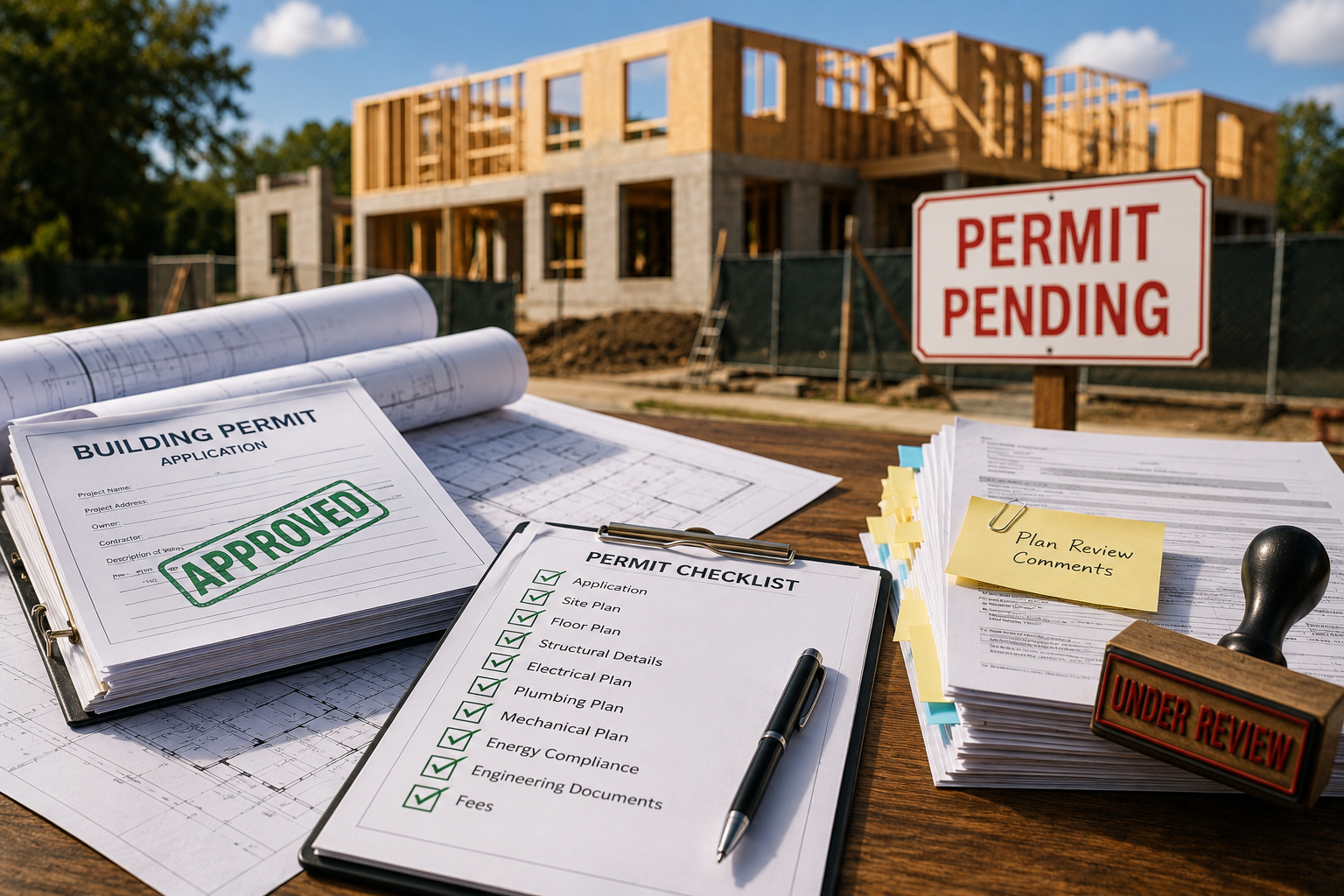
The permit application process itself—whether conducted offline or through an online permit application system—is a critical step in maintaining your construction timeline. The process begins with gathering requisite documents such as site plans, blueprints, and detailed descriptions of your project. Offline applications typically require submission at your local building department, where you’ll interact directly with officials who can provide insights into the zoning particulars of your area. Conversely, many jurisdictions now offer online permit application platforms enabling quicker submissions from the comfort of your office. This route often necessitates setting up an account on the municipality’s portal and uploading digital versions of your plans. Key to both methods is the completion of specific permit application forms. For residential projects, common forms include zoning applications, building permits, and, in some cases, specific environmental compliance forms. Proactively obtaining and completing these documents ensures that no time is lost due to incomplete submissions.
Grasping the intricacies of filing permits early on directly translates to smoother sailing in your project’s execution. Early awareness of what documents are needed allows you, as the project lead, to plan permits early, ensuring that your application package is robust and ready without last-minute scrambles. By understanding the process and requirements, identifying potential delays becomes simpler. Plan early to align your strategy with local regulations, reducing the likelihood of your applications being returned or delayed due to non-compliance. This attentiveness in the early stages paves the way for a project that not only respects timelines but also budget constraints. Furthermore, engaging with the permitting authority early fosters a productive relationship, positioning you well for any forthcoming queries or clarifications needed as your project progresses. By adopting early permit planning, you set a proactive tone for the entire construction journey; such foresight ensures your plans proceed with minimal hitches.
The Role of Residential Building Permits
Furthermore, securing residential building permits early plays a pivotal role in avoiding construction delays that could jeopardize your project’s viability. By initiating the permitting process ahead of time, you actively engage with the regulatory ecosystem, allowing for a comprehensive understanding of what is required to secure timely approvals. This awareness not only supports the creation of detailed construction schedules but also facilitates resource allocation, which is vital in maintaining control over project costs. One often-overlooked aspect of early planning is the flexibility it affords in addressing potential environmental concerns, aesthetic disagreements, or neighborhood opposition before they escalate into roadblocks. Importantly, acting early gives you additional time to process feedback from the permitting authorities or address potential errors in your application, thus ensuring your plans align perfectly with local codes and regulations. Encouraging proactive permit applications diminishes the risk of processing bottlenecks that could otherwise result in frustrating hold-ups. Ultimately, early action empowers you to direct your project with precision, ensuring that each phase of construction adheres to the timelines you’ve established.
In addition to the aforementioned benefits, early permit planning nurtures a seamless working relationship between project stakeholders, which includes architects, contractors, and municipal officials. By establishing clear lines of communication early, stakeholders can collaborate more effectively, resolve misunderstandings swiftly, and adapt to any evolving requirements without derailing progress. Time invested in planning permits early pays dividends as it fosters a cooperative environment where information flows freely and critical decisions can be made collectively. Equipped with a thorough understanding of local requirements, you’ll find it easier to negotiate possible variances or special considerations that may pertain to your project. This level of preparedness not only streamlines the permitting process itself but also builds a foundation of trust with local authorities who will view your professionalism favorably. Keep in mind that gaining early endorsements and maintaining an open dialog with permitting personnel can significantly ease regulatory burdens, minimizing surprises down the line. By making comprehensive early planning a staple in your construction routine, you embrace a strategy that unifies efficiency, compliance, and innovation into one cohesive motion, setting the stage for a trouble-free build.
Comprehensive Guide to Fence Permits
Planning for a fence construction permit may feel like a minor detail, yet it carries significant importance. While many view fences as simple structures, they fall under local zoning laws that dictate specifics such as height, material, and placement. Applying for a fence permit ensures compliance with these regulations, safeguarding you from potential fines or demolition orders later on. Think of the permit process as your opportunity to verify each element of your plans aligns with neighborhood guidelines. For example, your region might restrict fence height to preserve sightlines or require specific materials for a uniform look. Perhaps you're aiming to use a unique design or material; early discussions with local authorities can help manage exceptions or variances. Addressing these considerations at the beginning stages means fewer surprises when officials conduct your fence inspections. Consequently, early permit planning not only satisfies bureaucratic requirements but also upholds good neighborly relations by confirming your project respects local norms. Indeed, it’s during these preliminary phases that obtaining your permit builds the foundation for a successful construction.
The process of acquiring a fence construction permit generally begins with submitting an application that includes detailed plans and descriptions. You’ll need to demonstrate where the fence will be located, possibly highlighting property lines and any existing features that affect placement. Your local building department typically reviews these plans, checking for adherence to zoning laws as mentioned earlier. Securing this fence permit well ahead of time allows you to address any zoning conflicts, such as easement issues or setbacks where fencing is prohibited. It also gives you a buffer to remedy such discrepancies without delaying your installation. Furthermore, obtaining these permits in advance positions you favorably to schedule your construction with minimal delay, optimizing labor and resource allocation. During the permitting stage, maintaining open communication with municipal officials can enlighten you about upcoming inspections, which are a critical part of the assurance process. Knowing the scheduling and scope of fence inspections means there’s time for preemptive corrective actions if necessary. As you navigate these procedures, the ties formed with local officials not only facilitate your current projects but also streamline future endeavors by establishing a prior record of responsible building practices.
Advantages of Early Permit Planning
Moreover, proactive early permit planning extends these benefits beyond immediate construction logistics; it significantly contributes to long-term project success and satisfaction. For instance, projects such as commercial developments, where the stakes are high, find great value in initiating permit-related tasks ahead of breaking ground. Take the example of a retail complex in Houston that commenced permit acquisition well before construction. This foresight allowed for ongoing dialogues with city planners, who identified potential zoning challenges and environmental compliance needs early, leading to swift resolutions without slowing down construction schedules. Therefore, emphasizing early permit acquisition not only aligns your project with regulatory expectations but also allows for enhancements that favor your business goals. From an economic standpoint, having an unimpeded start and uninterrupted workflow defrays unexpected costs—such as overtime labor or idled equipment—that can creep up during last-minute adjustments. Your ability to navigate the preliminary permitting landscape effectively can be a deciding factor in staying on budget and achieving the expected return on investment.
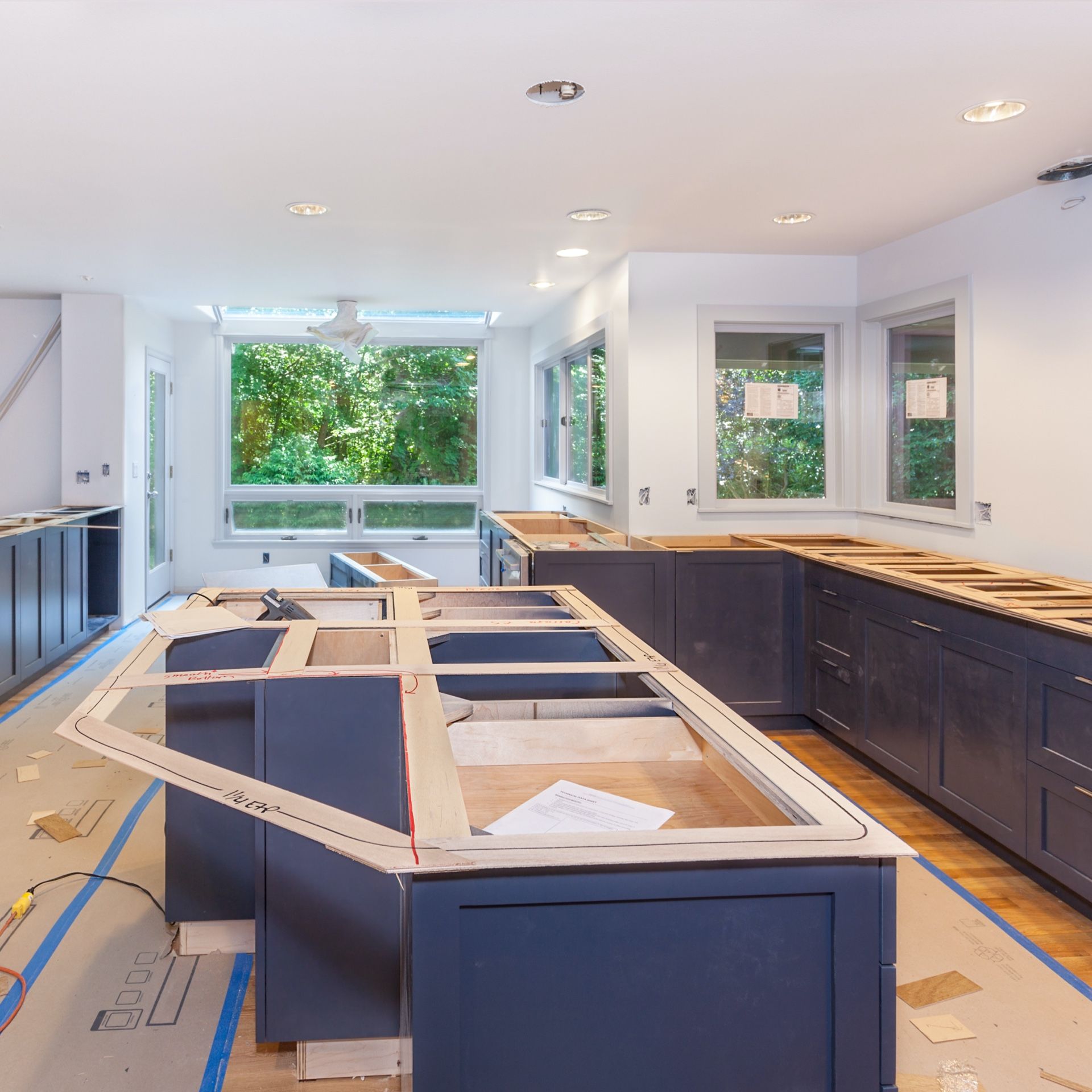
Equally important, to individuals embarking on residential projects, early permit planning can mean the difference between dream home realization and ongoing project headaches. It opens the door to understanding bureaucratic processes from the get-go; hence, you can explore design flexibility, ensure all features comply with codes, and preemptively address possible regulatory objections. Consider a homeowner in Katy undertaking a kitchen remodel; by preparing permits early, they discovered their layout fell within a flood hazard zone, allowing ample time to implement necessary flood mitigation design details. This proactive stance not only ticked safety boxes but also kept their timeline intact and avoided potential legal tussles. In residential builds particularly, where family plans and living arrangements hang in the balance, maintaining an upfront approach to permits safeguards against future disruptions and restores planning confidence. By collectively guiding your project team, from architect to general contractor, towards aligning with permitting protocols at the earliest phase, you cultivate a space ripe for innovation and, importantly, compliance. Through this lens of thorough preparation, the permitting process becomes a strategic component, not a hurdle, and sets the stage for seamless and rewarding construction experiences, building stronger confidence in every phase of your project.
Conclusion
When embarking on your construction journey, the meticulous groundwork laid through early permit planning unfolds profound benefits. Seamlessly integrating these practices not only dispels hindrances but also solidifies your path toward project fruition. At AA Permit Solutions, we champion this foresight by offering comprehensive permit preparation and submittal services, ensuring your plans align with local regulations before the first shovel hits the ground. By coordinating directly with local authorities, we help clear roadblocks that could otherwise turn into costly delays. Consider the abundance of time and resources saved when your plans glide through the approval process with minimal friction. It’s rewarding to see your vision take shape without the nagging worry of bureaucratic impediments.
Maintaining an organized, forward-thinking mindset extends to the effective management of your permits throughout the project’s lifespan. Through our Permit Management and Coordination services, your project remains on track, with all necessary documentation prompts and updates at your fingertips. Aligning detailed site analyses with our specialized plans and compliance reports, we not only decode the regulatory landscape but also provide you the assurance needed to move forward confidently. Reach out at (713)428-2321 we’re committed to assisting you in transforming visions into reality while meeting every necessary code and regulation. Why face project unpredictability alone when professional support awaits to align your objectives with achievable outcomes? Your proactive approach today lays the groundwork for safe, efficient, and delightful construction endeavors in the future.